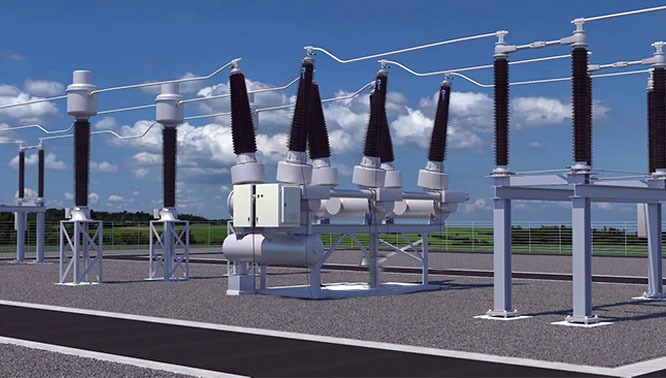

High voltage substation planning, layout, and specification is the blueprint stage that determines whether a power project is safe, buildable, maintainable, and future ready. Decisions made early around site selection, equipment arrangement, and technical standards influence everything from outage risk to construction cost and long term reliability. A strong planning approach combines network requirements, civil constraints, operational safety, and protection performance into a coordinated design package.
Planning foundations for high voltage substations
Power systems modelling and fault analysis (click here) supports planning by confirming load growth assumptions, system strength, voltage performance, and fault level impacts before equipment is selected or layouts are locked in.

Early planning typically includes defining the substation role in the network, such as new supply point, capacity augmentation, renewable connection, or switching station. Key inputs include forecast demand, connection studies, reliability criteria, and outage constraints.
Site due diligence should address geotechnical conditions, flood risk, access for heavy transport, environmental approvals, and land footprint requirements.
During this stage, the project team also sets the reference standards, insulation levels, and operational philosophies that guide design consistency across drawings and specifications.
Layout development: safety clearances, constructability, and maintenance access
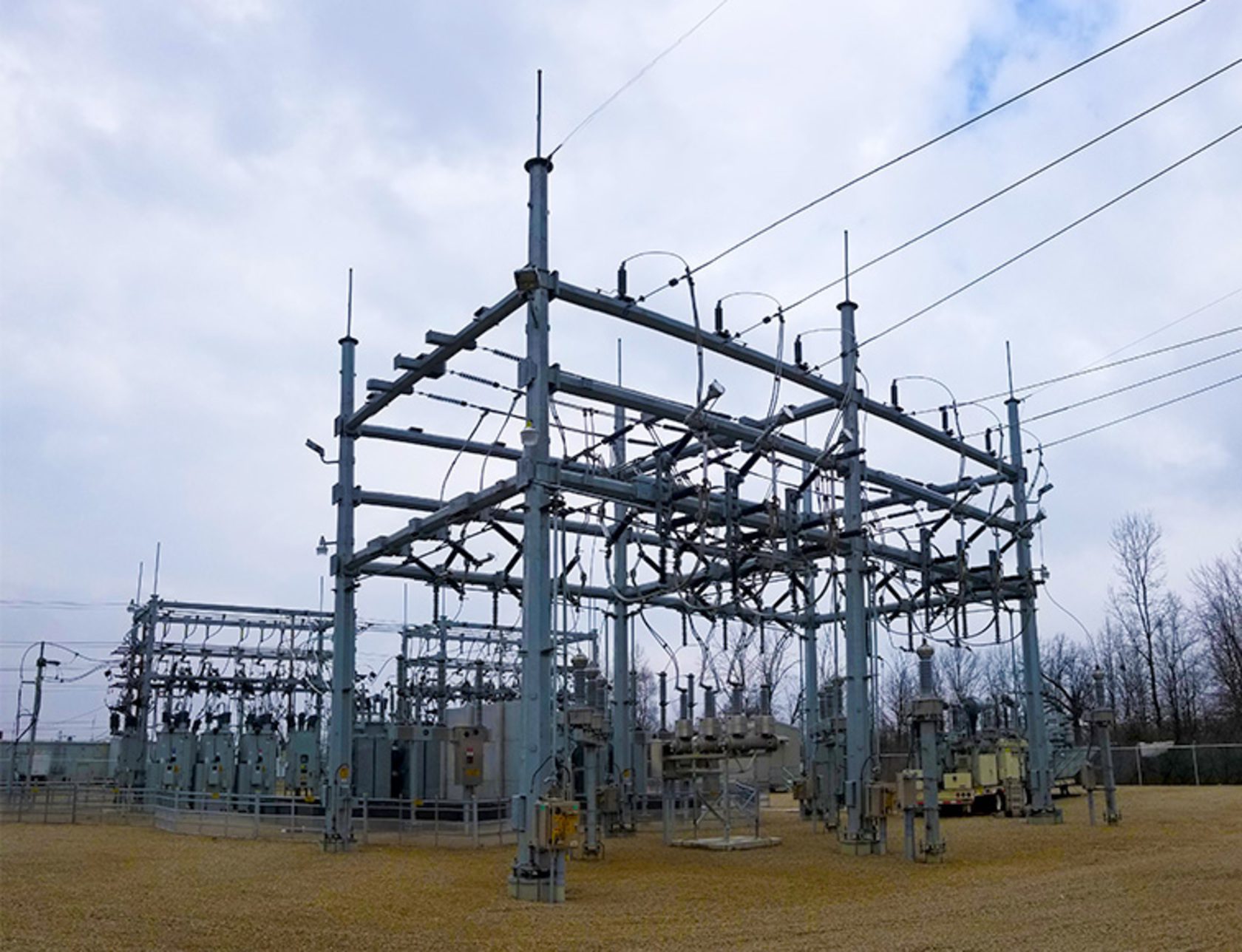
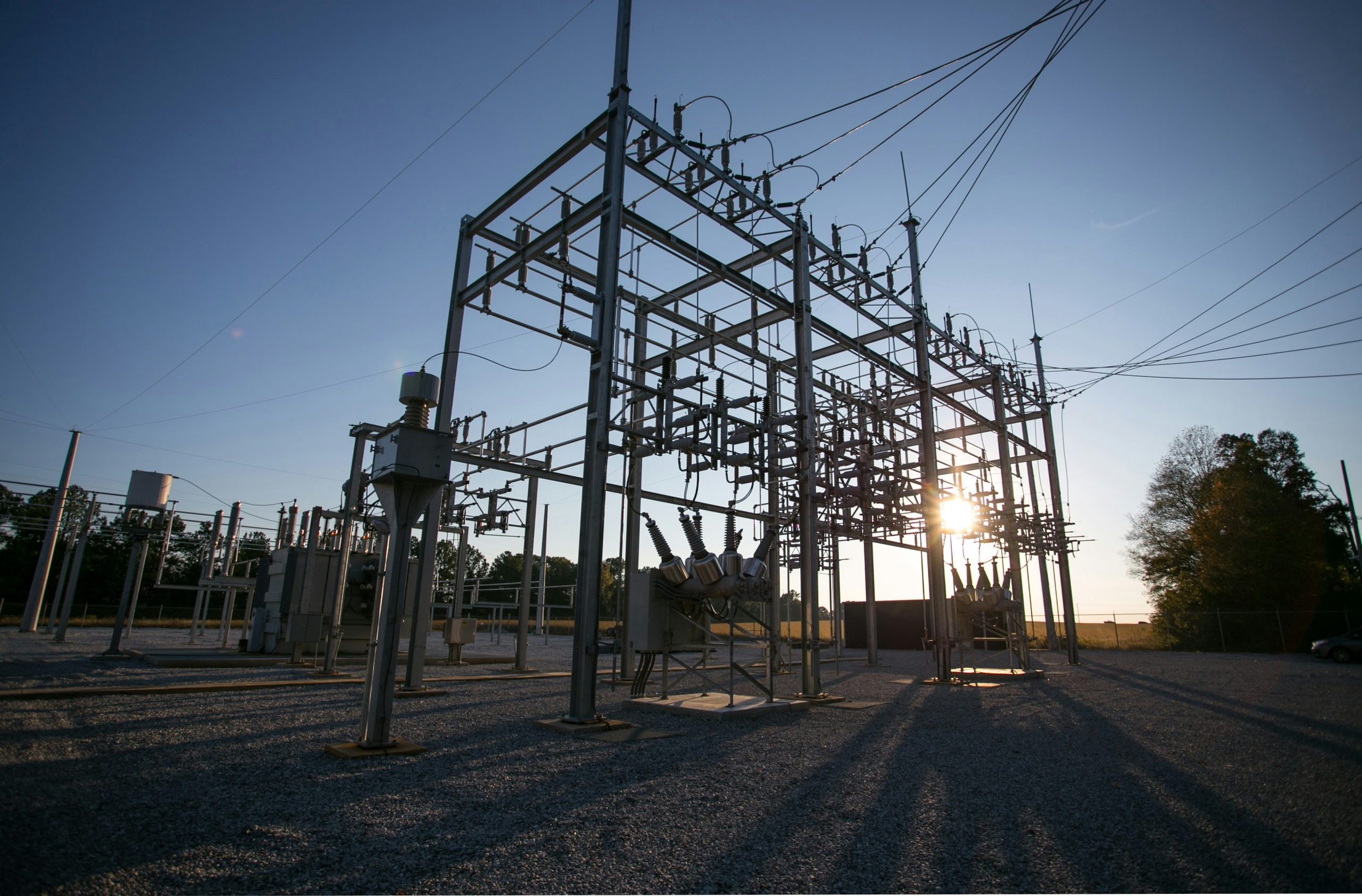
Layout design translates single line diagrams into physical equipment arrangements. This includes busbar configuration selection, bay spacing, equipment clearances, and safe work zones.
Designers must account for electrical clearances, step and touch risk considerations, and practical maintenance access for cranes, test gear, and replacement parts. Correct separation of high voltage and low voltage areas improves safety and reduces operational errors.
Constructability considerations include foundation locations, cable trench routing, equipment delivery paths, and staging areas for installation. Layouts should minimise cable lengths where practical, reduce congestion around critical equipment, and allow safe isolation for maintenance.
Future expansion should be planned from the start with reserved bays, clear extension routes for buswork, and space for additional transformers or reactive power equipment so later upgrades do not require major rework.
Equipment specification and integration of protection and control

Specification work defines what will be purchased and how it will perform. This includes transformers, switchgear, breakers, disconnectors, instrument transformers, surge arresters, and auxiliary systems.
Specifications should align with network standards and include performance requirements, testing obligations, warranties, and documentation deliverables. Attention to interfaces is critical, including rating coordination, insulation coordination, and thermal limits under expected operating conditions.
Protection and control integration ensures the substation functions safely during normal operation and faults. Specifications must account for CT and VT requirements, relay schemes, SCADA integration, communications, and time synchronisation.
Commissioning and testing plans should be developed alongside specifications to ensure protection settings, interlocks, and remote control functions can be verified efficiently before energisation, and that as built records are complete for handover.
Conclusion
High voltage substation planning, layout, and specification sets the foundation for reliable, safe power delivery by aligning network studies, practical layouts, and disciplined equipment requirements.
With strong early inputs, clear expansion planning, and well integrated protection and control, projects can reduce risk, improve constructability, and deliver assets that perform effectively across their full lifecycle.