

Southeast Asia is entering a period in which regional development will matter as much as national policy. New roads and railways, expanding ports, digital payment systems, industrial corridors, energy projects, and climate programmes are changing how people and businesses connect across borders.
The important question is not simply whether the region will grow. It is whether growth will become more connected, resilient, and broadly shared. That outcome will depend on the interaction between physical infrastructure, trade rules, technology, skills, environmental pressures, and the institutions that coordinate them.


Connectivity is becoming an economic strategy
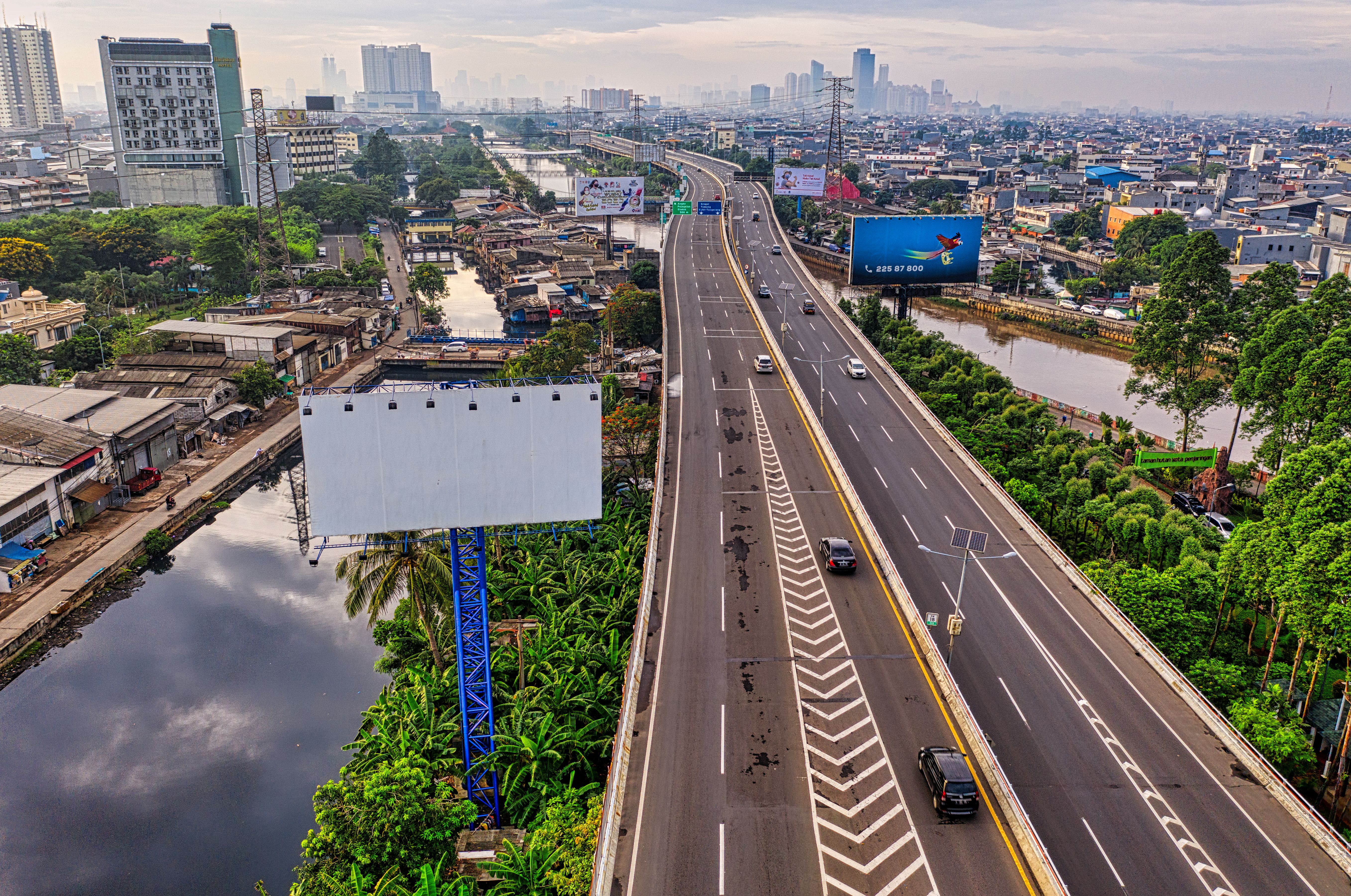
Transport infrastructure does more than shorten journeys. It determines which cities can participate in supply chains, how easily workers reach jobs, and whether smaller firms can access customers beyond their home market. Expressways, rail networks, ports, airports, and border facilities therefore influence the geography of opportunity.
Recent investment has also changed the meaning of a regional corridor. A modern corridor may combine a highway with logistics parks, electricity infrastructure, broadband, customs systems, and industrial zones. Its value comes from the connections between those parts, not from any single structure.
Bangkok, Jakarta, Manila, Kuala Lumpur, Singapore, Ho Chi Minh City, and other metropolitan areas are increasingly tied to surrounding provinces and neighboring economies. That creates opportunities for investment and employment, but it also requires careful urban planning. Congestion, housing costs, air pollution, flood exposure, and unequal access to public transport can reduce the gains from connectivity if they are not addressed alongside construction.

Trade integration is moving beyond factories
Southeast Asia has long been important to global manufacturing, but the next stage of integration is broader. Services, logistics, tourism, finance, software, data infrastructure, and clean-energy supply chains are becoming more significant parts of the regional economy.
The Asian Development Bank’s Asian Economic Integration Report 2025 describes Southeast Asia as the leading subregion in Asian economic integration. It also reports that foreign direct investment among Asian economies averaged 52% of regional FDI between 2013 and 2023, while services became the main driver of foreign investment across Asia.
That shift matters because services can connect economies even when goods trade faces disruption. A company may design a product in one country, manufacture components in another, use cloud services hosted elsewhere, and sell through a regional platform. Reliable rules for data, payments, taxation, consumer protection, and professional qualifications will increasingly influence whether those links are easy or expensive to maintain.
Regional news coverage can also help readers follow how policy and institutional developments affect the operating environment across Southeast Asia, without reducing the region’s future to a single national event.
ASEAN’s long-term plan sets a shared direction
In May 2025, ASEAN adopted ASEAN 2045: Our Shared Future, a long-term framework built around a “resilient, innovative, dynamic and people-centred” community. The plan links economic development with political-security cooperation, social development, connectivity, and stronger institutional capacity.
Its significance is practical as well as symbolic. A shared regional framework can help governments identify projects that cross national boundaries, coordinate standards, and align investment with longer-term goals. It can also provide a way to discuss uneven development, so that integration does not benefit only the largest cities or most advanced economies.
The difficult part is implementation. ASEAN’s vision calls for better logistics, digital innovation, payment connectivity, cybersecurity, cross-border information flows, and sustainable infrastructure. Each area involves domestic laws and agencies as well as regional agreements. Progress will therefore depend on whether national systems become compatible enough for businesses and citizens to use them in practice.
Maritime trade remains a central advantage
Geography gives Southeast Asia an enduring role in maritime commerce. The region sits along major routes linking the Indian and Pacific oceans, and its ports support manufacturing, energy, food supply, and consumer trade. Maritime infrastructure is consequently part of the region’s economic security as well as its commercial future.
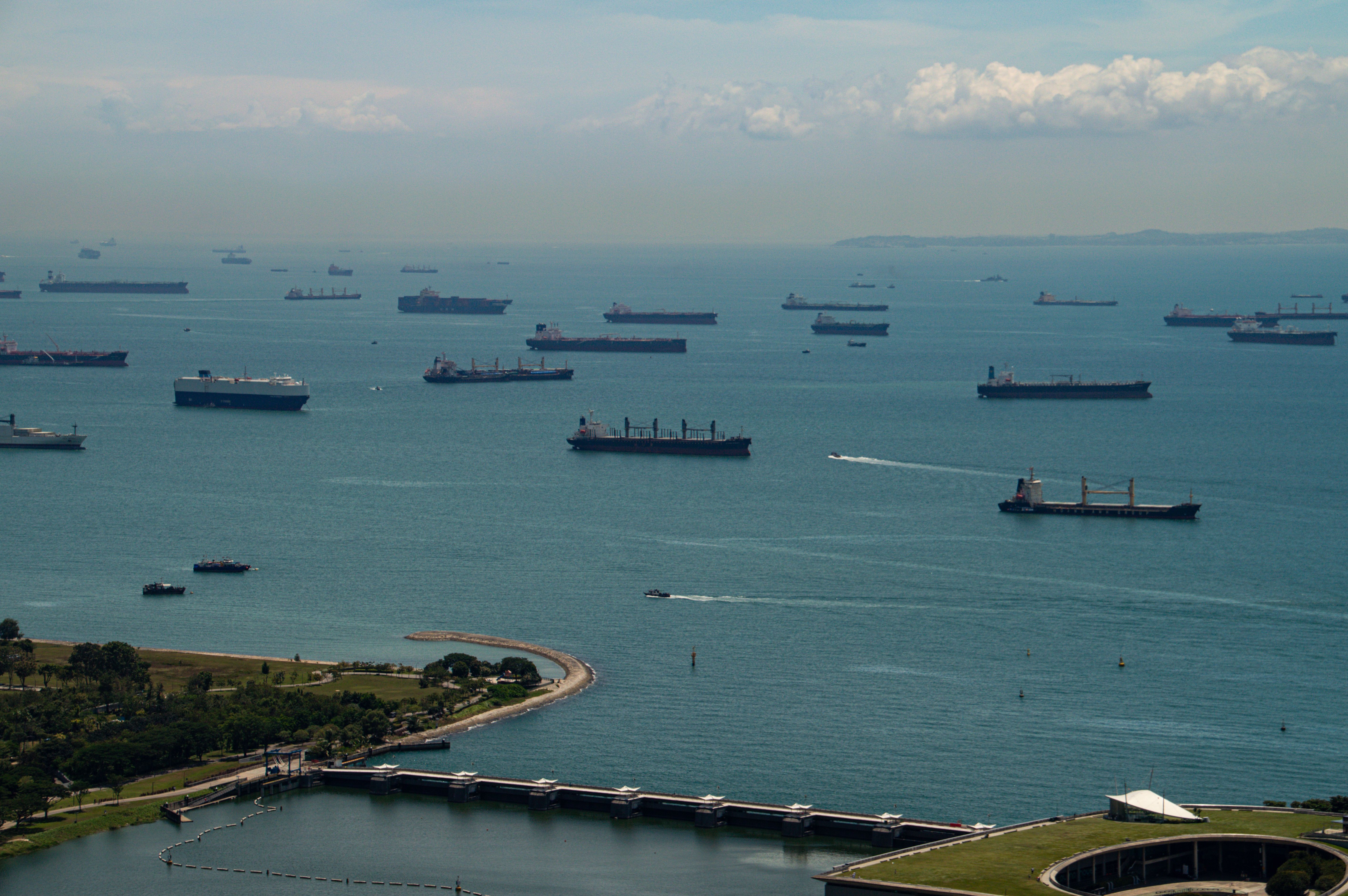
Port capacity alone is not enough. The next competitive advantage will come from coordination between ports, inland transport, customs authorities, warehouse operators, and digital systems. Faster cargo handling can be undermined by inconsistent documentation or delays at a land border. For that reason, trade facilitation may produce gains comparable to new physical infrastructure.
Maritime development also intersects with environmental management. Coastal communities depend on fisheries, tourism, and healthy marine ecosystems, while ports and shipping face pressure to reduce emissions and manage pollution. Regional cooperation is especially valuable where environmental systems cross national boundaries.
The Mekong shows why development cannot be planned in isolation
The Mekong basin demonstrates the connection between infrastructure, agriculture, energy, river transport, and ecology. A decision in one part of the basin can affect water availability, sediment flows, fisheries, farming, and communities downstream.
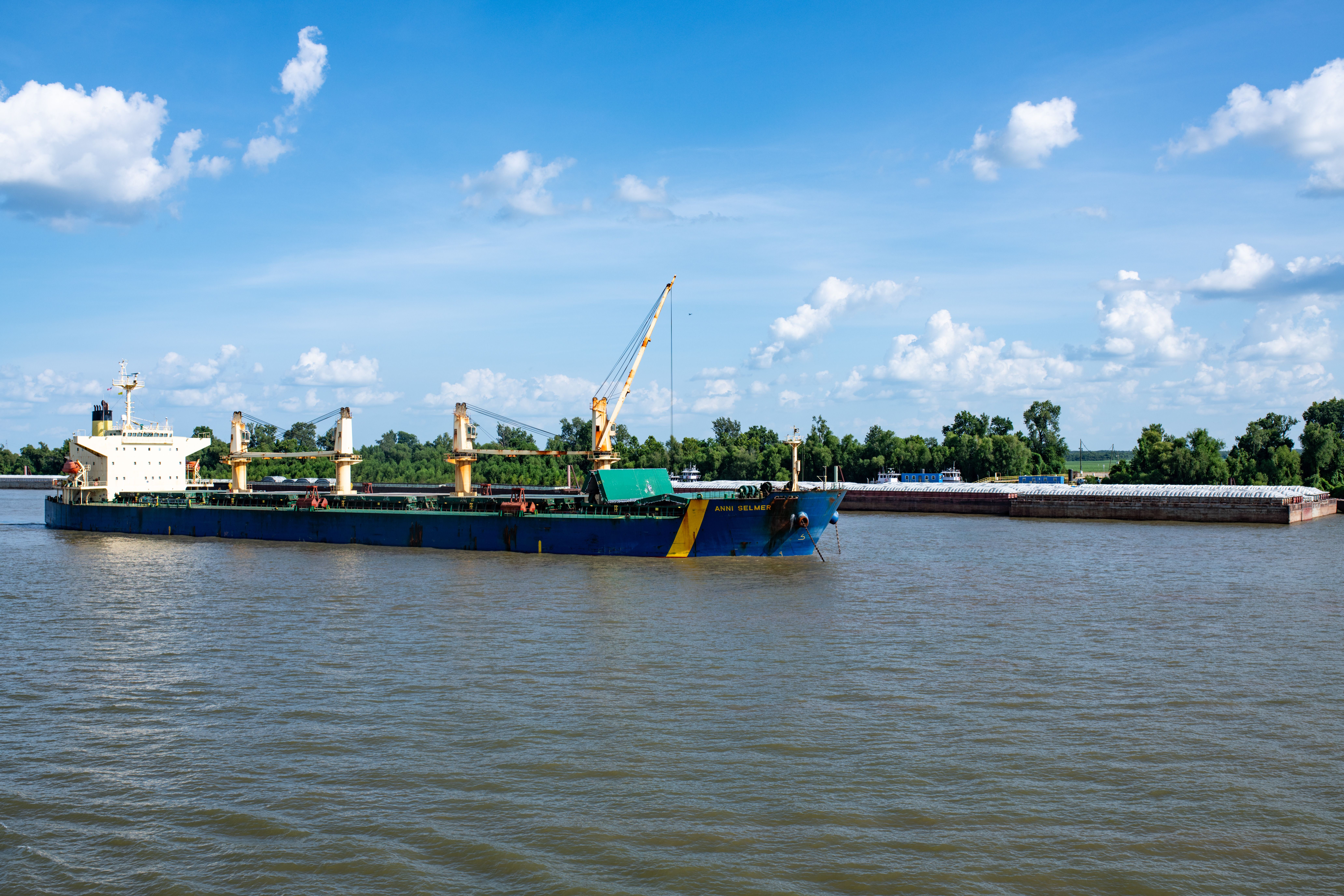
Future development in river basins will need more than isolated projects. It will require shared data, transparent impact assessment, disaster planning, and mechanisms for balancing electricity generation, transport, food production, and ecosystem protection. This is a useful model for regional policy more broadly: infrastructure delivers lasting value when it is designed around the whole system it affects.
Climate resilience will decide the quality of growth
Climate change is not a separate environmental topic for Southeast Asia. It affects roads, ports, power networks, farms, cities, supply chains, and public budgets. Flooding, heat, storms, drought, and coastal risks can interrupt economic activity and impose costs long after a project is completed.
The Asian Development Bank’s 2025 analysis of regional integration identifies climate action and digital connectivity as strategic areas for future cooperation. Its work on decarbonising hard-to-abate sectors also highlights the need for transition finance, common standards, and cooperation between governments, financial institutions, industry, and development partners.
That points toward a more demanding definition of infrastructure quality. A road that is inexpensive to build but repeatedly disrupted by flooding may be less valuable than a better-designed project with higher resilience. Similarly, a power system that expands access but cannot integrate cleaner sources may create future constraints. The best regional investments will be those that improve productivity while reducing exposure to future shocks.
Digital integration can widen opportunity, but only with skills
Digital systems can make regional commerce faster and more accessible. Instant payments, digital identity, online education, e-commerce, cloud services, and remote professional work can help smaller firms and communities participate in wider markets.
Technology, however, does not remove differences in income, connectivity, language, education, or regulatory capacity. A digitally connected region still needs affordable access, reliable electricity, cybersecurity, consumer safeguards, and workers with relevant skills.
The World Bank’s October 2025 East Asia and Pacific Economic Update projected regional growth of 4.8% in 2025 and 4.3% in 2026, while warning that stronger growth will require reforms that improve productivity and the quality of jobs. For Southeast Asia, that is a reminder that investment in schools, vocational education, digital literacy, and reskilling is part of regional infrastructure in a broader sense.
What will determine the next phase?
Several tests will shape whether regional developments translate into durable progress:
- Compatibility: Can national customs, payment, data, and technical systems work across borders?
- Distribution: Do secondary cities, rural areas, and small firms gain access to the new networks?
- Resilience: Can infrastructure continue operating during climate events, market disruptions, or public-health emergencies?
- Capability: Are education and training systems preparing people for more digital, technical, and service-oriented work?
- Coordination: Can regional institutions turn broad commitments into measurable projects and consistent implementation?
These questions are more important than any single forecast. Southeast Asia’s diversity is a source of strength because it supports different industries, markets, and development models. It can also make cooperation difficult. The region’s future will depend on preserving that diversity while making the systems connecting its economies more reliable.
A connected future is built through practical choices
Regional development is often described through large numbers: investment totals, growth rates, trade volumes, or megaprojects. Those measures matter, but they do not capture the everyday test of integration. Can a shipment cross a border predictably? Can a worker access a better job without relocating permanently? Can a city absorb growth without becoming less affordable? Can a river or coastline support both livelihoods and long-term resilience?
Southeast Asia’s future will be shaped by the answers. The region already has substantial advantages in geography, population, trade, entrepreneurship, and institutional cooperation. The next step is to connect those advantages through infrastructure and rules that are inclusive, climate-aware, and practical enough to work beyond national boundaries.