

There was a time when the marker of success was easy to spot: the expensive watch, the German sedan in the driveway, the bigger house. Increasingly, that is no longer how the wealthy choose to spend. From concert tickets and private retreats to long weekends abroad, successful people are redirecting their money toward moments rather than objects – and the psychology research says the rest of us would be wiser to follow.
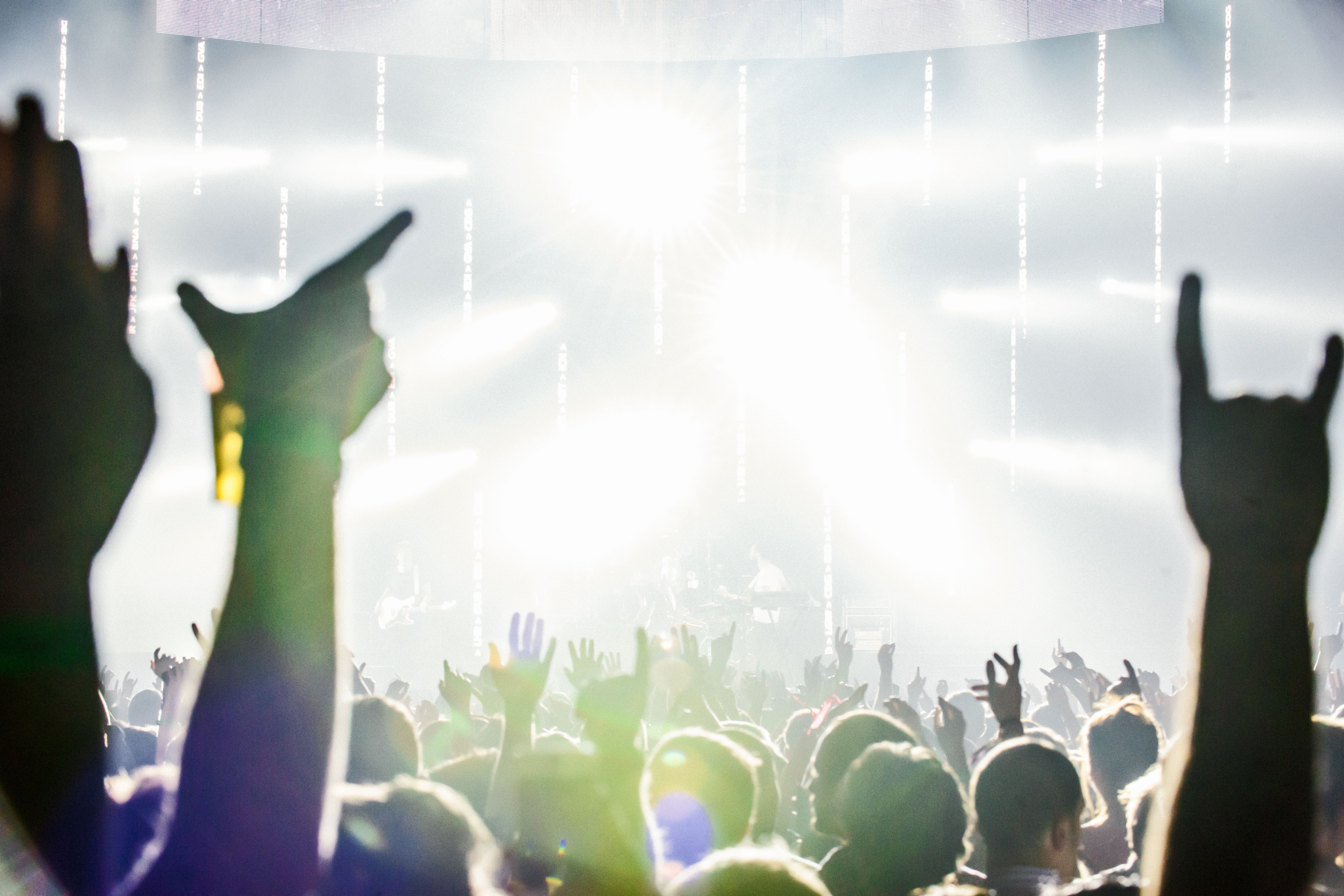


The shift is not a lifestyle fad. In his landmark line of research on the “experiential advantage,” psychologist Thomas Gilovich and his collaborators found that people consistently report more happiness from purchases made for experiences than from purchases made for possessions. Experiences, his work shows, become part of how we define ourselves, while objects tend to fade into the background.
Experiences buy happiness; possessions buy status
One of the most telling findings comes from a 2018 study in Psychological Science examining how social class shapes purchase happiness. Researchers found that higher-class individuals derived more happiness from experiential purchases than material ones, while lower-class participants were equally or more happy with material goods. The reason is straightforward: once your basic security is handled, a new gadget stops moving the needle. What remains is self-development, meaning and memory.
Possessions adapt; experiences compound
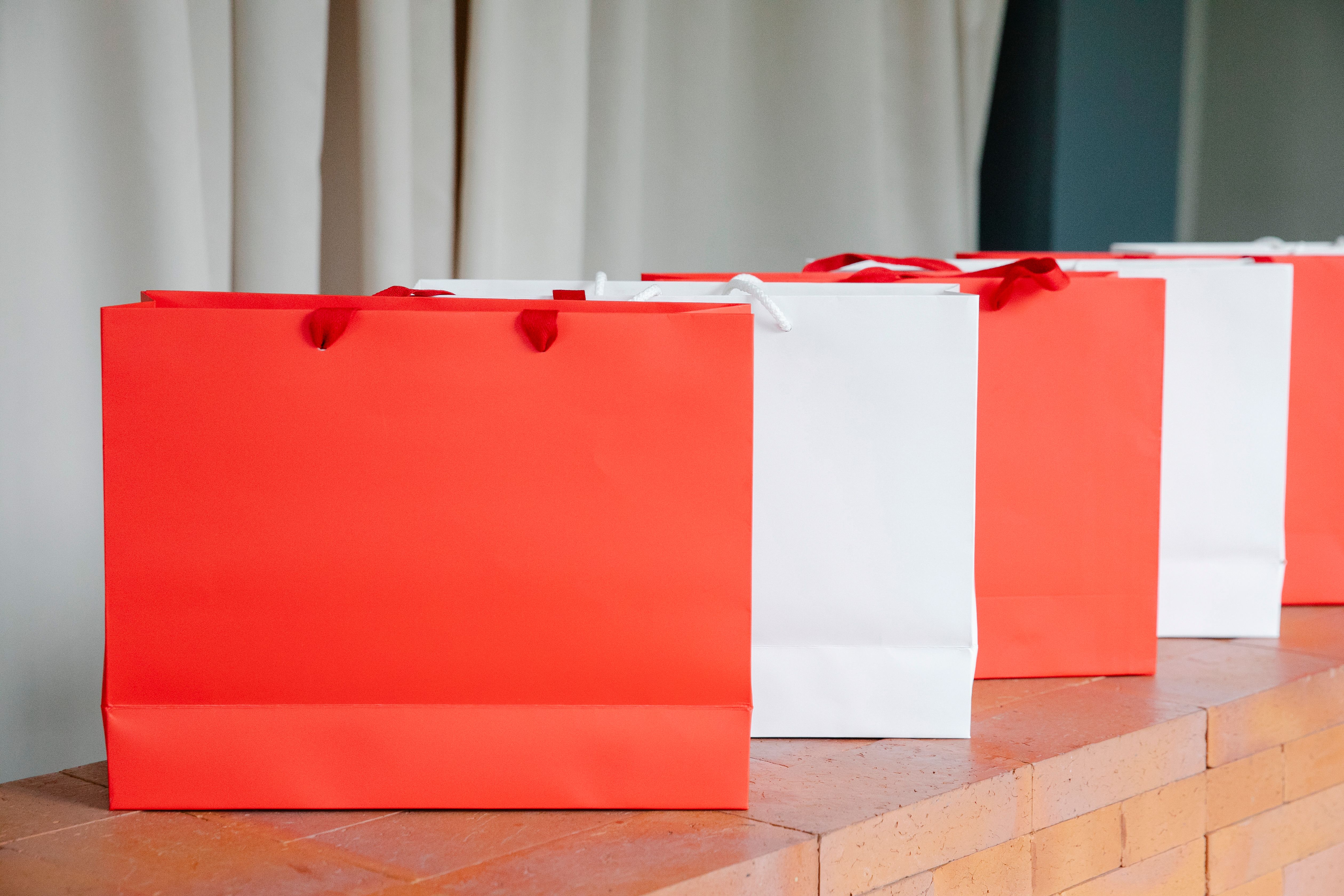
There is a well-documented phenomenon called hedonic adaptation: the new car feels normal within months, the designer bag becomes background noise. Experiences age in the opposite direction. Psychologists describe how memory edits out the delays and the bad weather and keeps the peak moments – the summit, the laughter, the encore. A possession you get used to; an experience you keep re-living.
Experiences are also almost always social. A concert, a long dinner, a shared trip – their value depends on other people being there. That is exactly why spending on experiences feels different from spending on things: it is spending on connection.
The experience economy has expanded
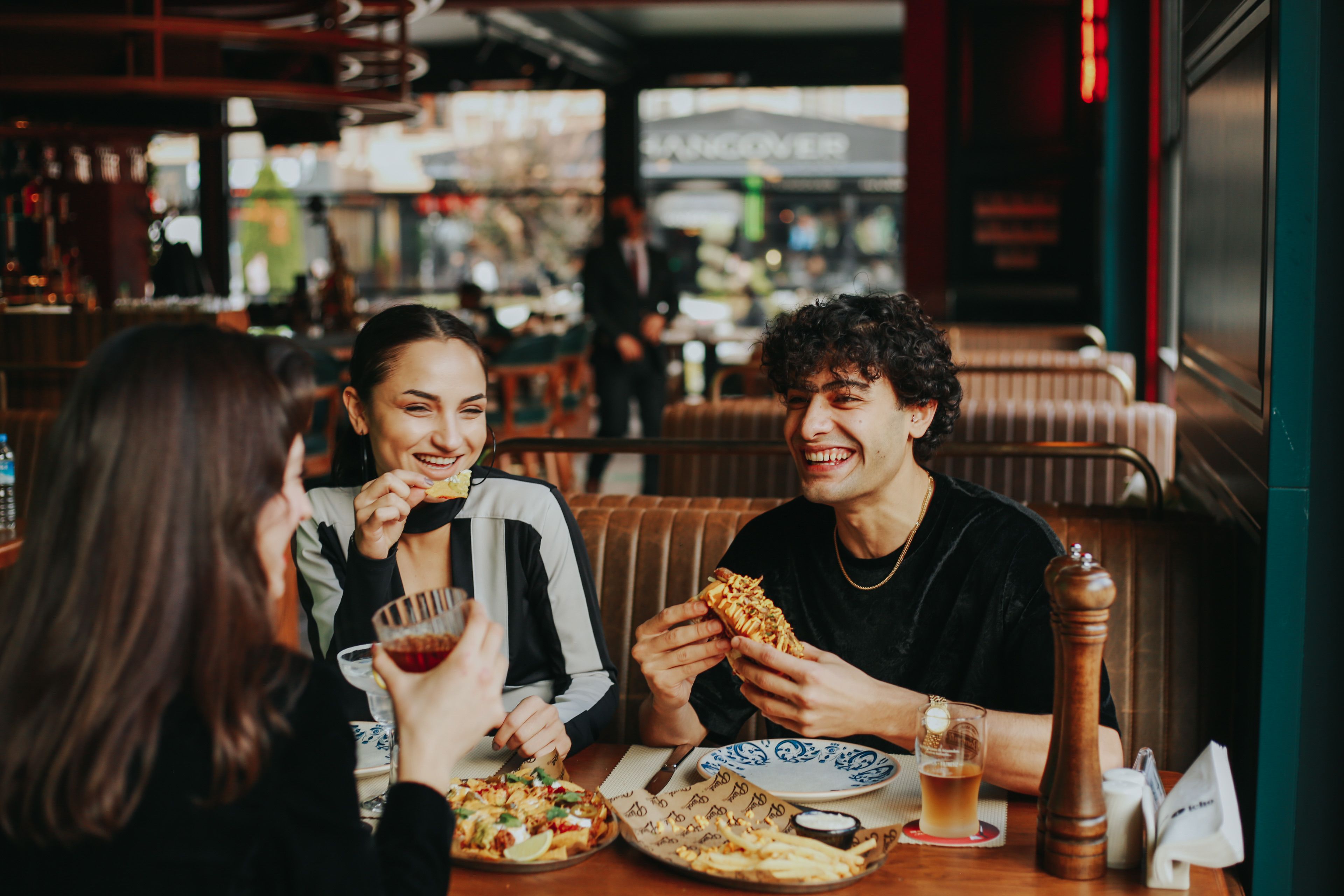
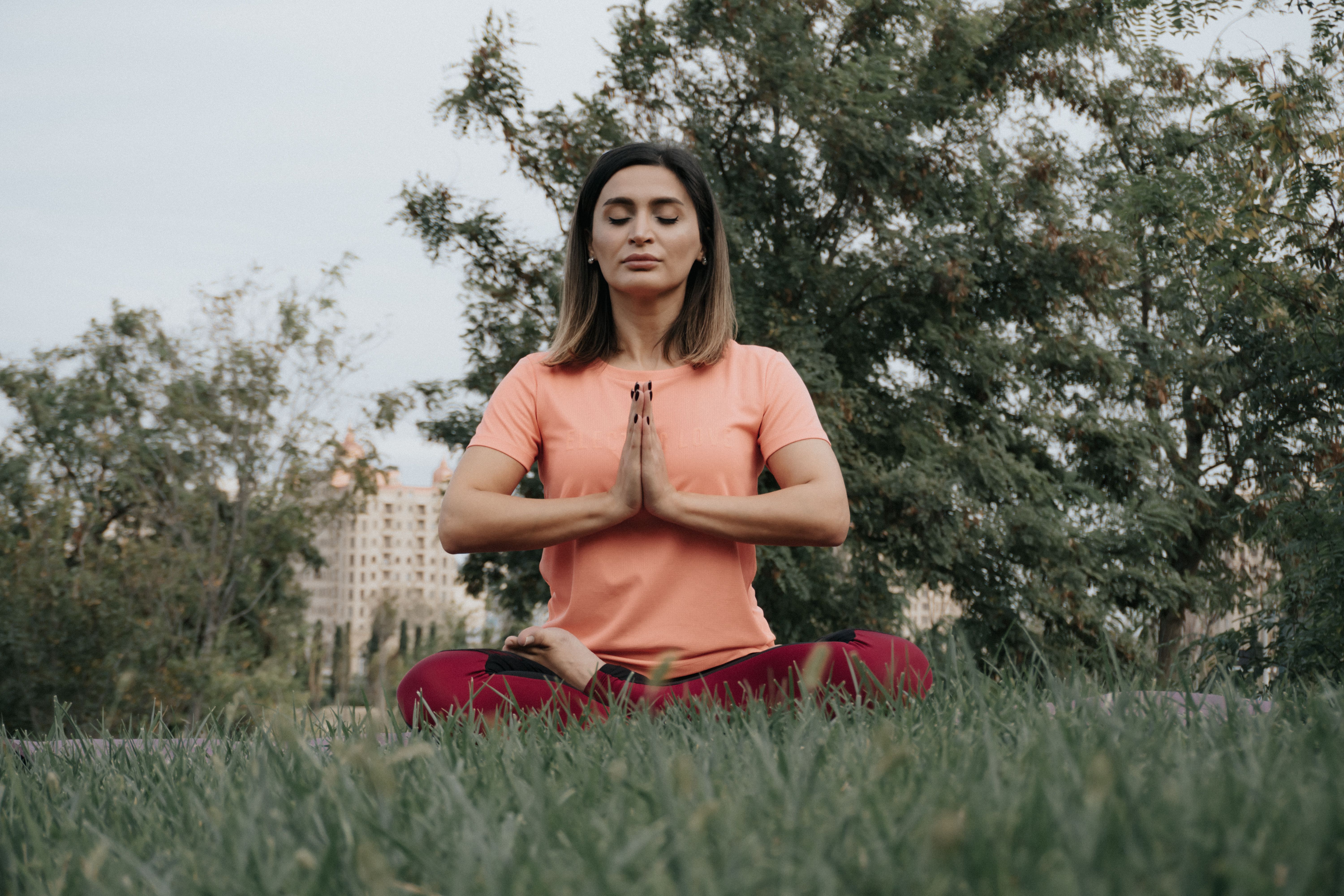
That logic now stretches well beyond the obvious concert-and-travel categories. It includes the friend who books the mountain cabin, the weekend under canvas by the fire, and the morning yoga class that resets the week.
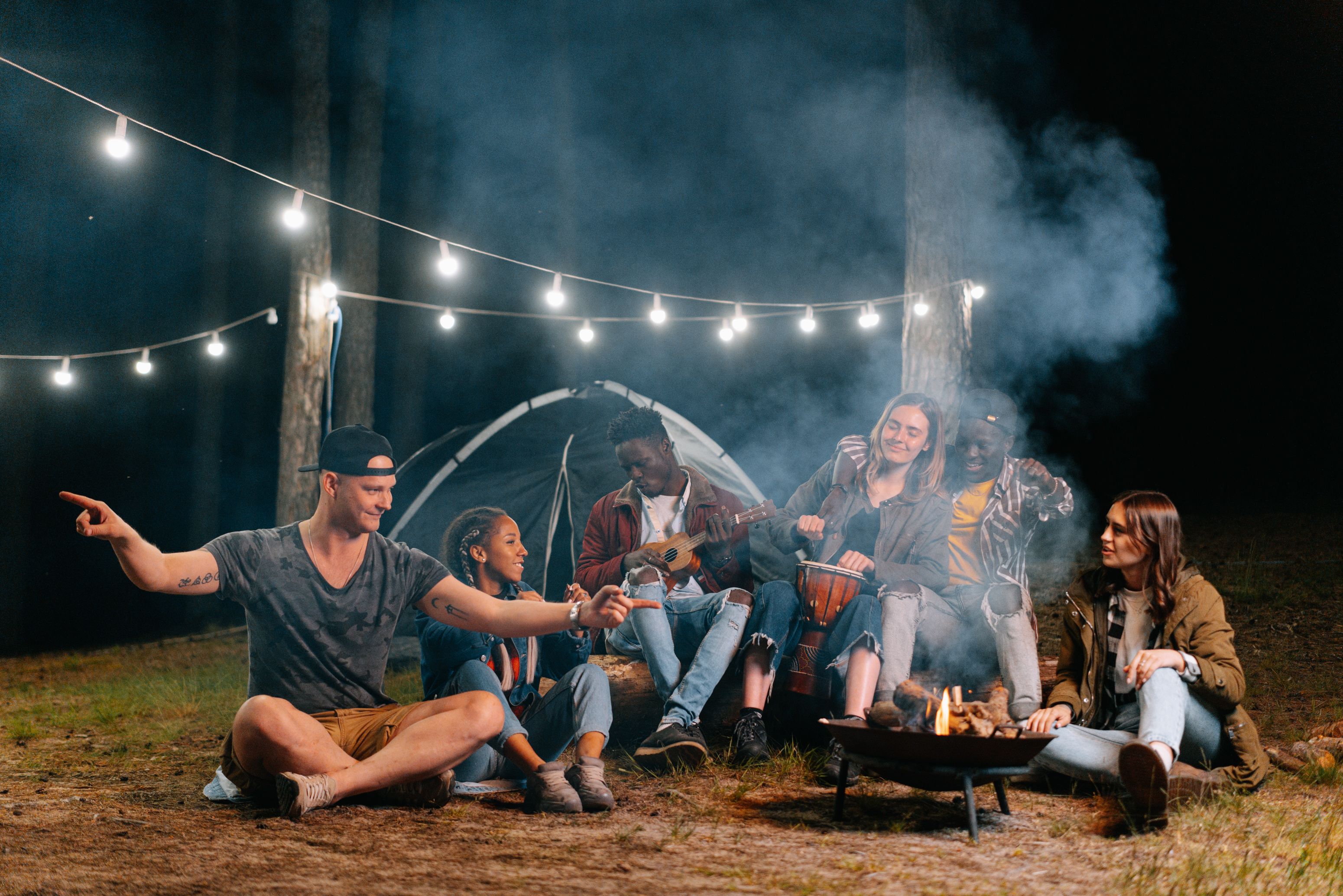
It also explains a newer, less discussed corner of experiential spending: paying for great company itself. In cities like Munich, where business culture runs long and leisure time runs short, the evening out has become something to curate rather than simply have. For a milestone birthday or a formal event where arriving solo dims the night, some now arrange an escort service München provides precisely that kind of gracious, well-presented companion – buying the shared experience rather than letting it slip away alone.
The honest caveat
None of this means possessions are the enemy. More recent research has complicated the picture, showing that the real driver of happiness is how pleasurable a purchase is, not which category it falls into – a well-chosen material object can beat a dull outing. And a 2024 study spanning seven countries found that while experiences ranked among the happiest purchases, so did giving and investing in skills.
The through-line is simple. Successful people have figured out that money spent on feeling, connection and growth keeps paying dividends, while money spent on stuff quietly depreciates. The return on an experience is not in your garage. It is in the story you tell for the rest of your life.