
Laundry is a significant ongoing expense for hotels because sheets, towels and other textiles need to be processed continuously. Reducing costs cannot come at the expense of visibly clean, comfortable linen. Instead, hotels can improve efficiency by reviewing equipment, washing processes and the way linen moves through the property.
Use Equipment That Matches the Hotel’s Laundry Volume
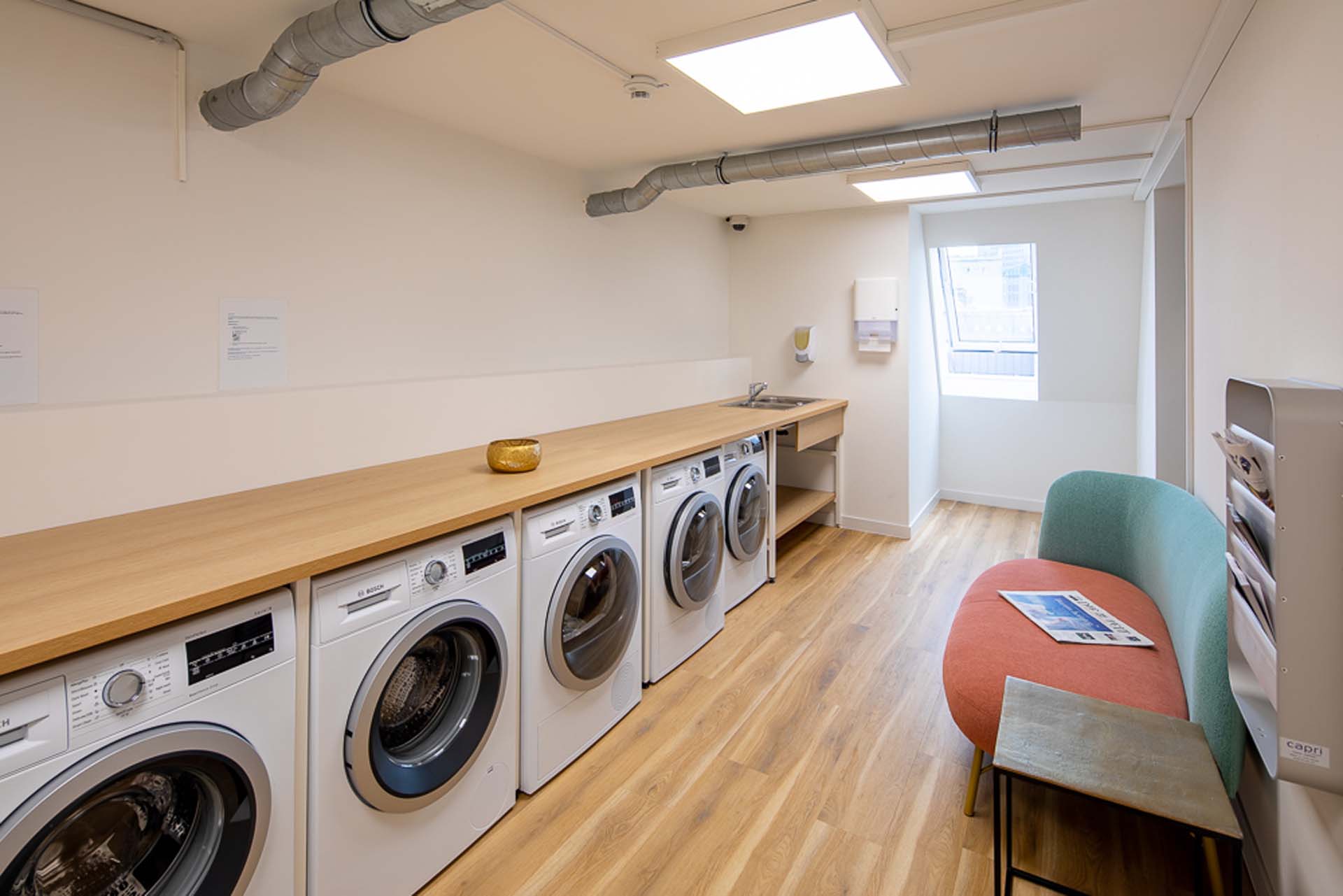
Commercial laundry equipment should be appropriate for the amount of linen processed each day. Machines that are too small can require excessive cycles, while poorly utilised oversized machines may waste resources when regularly operated with partial loads.


Hotels should monitor daily laundry volumes and identify peak periods before investing in new equipment. Capacity, cycle duration, water consumption, energy requirements and maintenance should all be considered alongside the initial purchase price.
If you’re operating a large business like a hotel with huge amounts of consumer turnover, you can browse here for a big commercial washing machine that’s heavy-duty for your laundry facility and can cope with the on-going demand.
Reliable equipment can also help reduce downtime. When a heavily used machine repeatedly requires repairs, the hotel may face additional labour costs, delayed linen availability or the need to temporarily outsource part of its laundry workload.
Control Water, Energy and Detergent Consumption
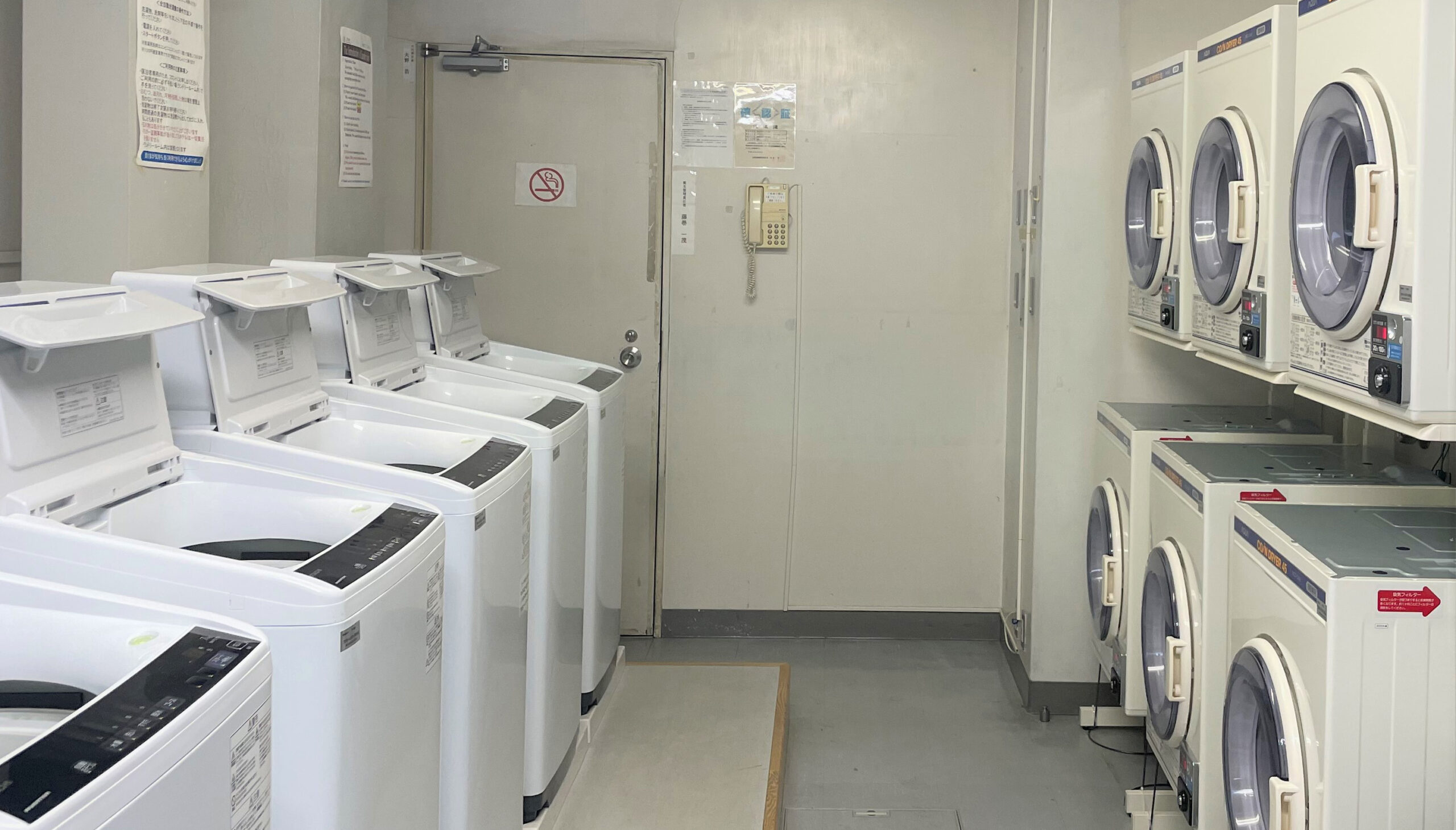
Small inefficiencies become expensive when they are repeated across hundreds of laundry cycles. Hotels can review washing programs to determine whether water temperatures, cycle lengths and detergent quantities are appropriate for different types of linen.
Running properly loaded machines can improve resource efficiency, provided loads remain within equipment specifications. Separating linen according to material, colour and level of soiling can also prevent items from receiving unnecessarily intensive cycles.
Drying deserves similar attention because excessive drying consumes additional energy and may contribute to textile wear. Staff should use suitable programs and avoid leaving linen in a machine longer than required.
Preventive maintenance is another important factor. Filters, ventilation systems and other components should be inspected and serviced according to manufacturer recommendations so that equipment continues operating effectively.
Extend Linen Life Through Better Handling
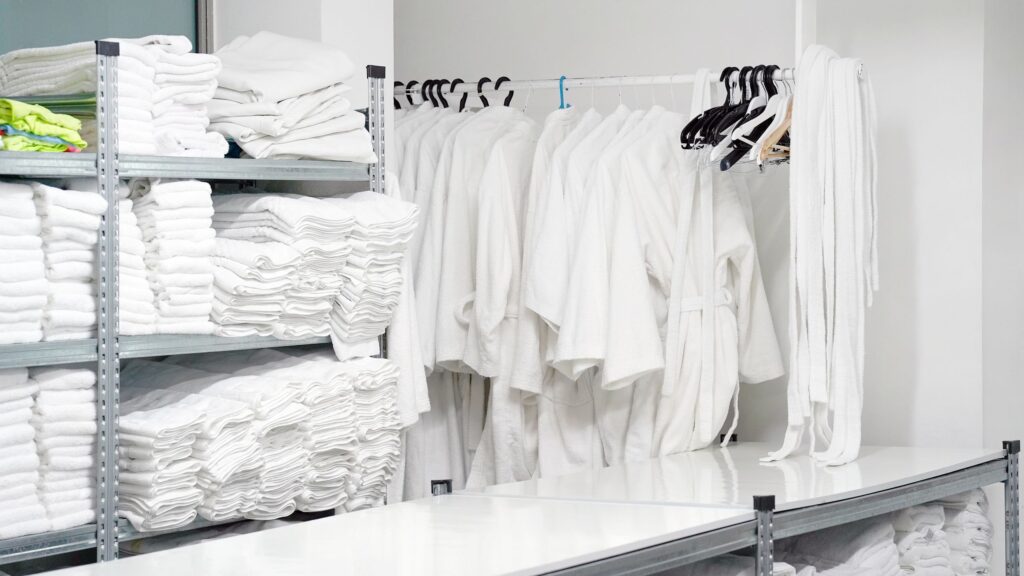
Reducing laundry costs is not only about lowering the cost of each wash. Extending the usable life of sheets and towels can reduce how frequently the hotel needs to purchase replacements.
Staff should follow consistent procedures for collecting, sorting, washing and storing linen. Damaged items can be separated early rather than repeatedly passing through the normal laundry cycle, while stains can receive appropriate attention before they become more difficult to remove.
Inventory management also matters. Maintaining sufficient linen allows housekeeping teams to operate without unnecessary pressure to return individual items immediately. Hotels can track replacement rates to identify whether particular products, processes or departments are associated with unusually rapid textile wear.
Conclusion
Hotels can reduce laundry expenses without lowering linen standards by improving efficiency throughout the entire process. Correctly sized equipment, controlled resource consumption, preventive maintenance and careful linen handling can all contribute to lower operating costs. Monitoring these areas regularly allows hotels to identify savings while continuing to provide the clean, well-maintained linen guests expect.