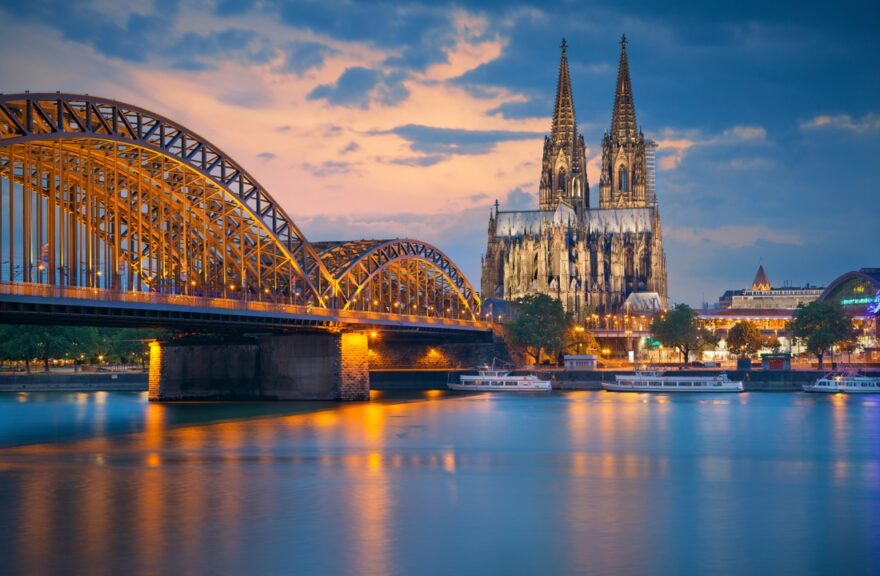

Planning a Germany trip can feel a bit overwhelming at first. There are so many cities, and each one feels completely different. I remember sitting with a map and thinking, where do I even start? If you’re in the same position, you’re not alone. Germany is one of those places where you can go from modern city life to quiet historic towns in a couple of hours.
So let’s keep this simple and useful. I’ll walk you through the cities worth your time, what to actually eat, and the kind of advice that helps when you’re on the ground.


Cities worth your time in Germany
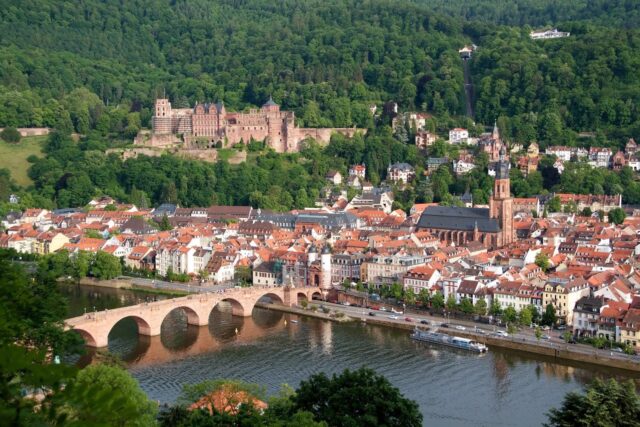
Choosing cities is probably the hardest part of planning a Germany trip, so it helps to think about what kind of experience you want.
Berlin, Munich, and beyond
Berlin is usually the first stop, and honestly, it makes sense. It’s full of history, but it also feels relaxed and creative. You’ll see museums, street art, and busy neighborhoods all in one day.
Munich feels completely different. It’s more organized, a bit quieter, and you’ll notice traditions more clearly, especially in beer gardens and public spaces.
If you’re wondering whether to add a third city, here’s how I think about it:
- Hamburg works well if you like port cities and a slightly slower pace
- Cologne is a good choice if you want something compact with strong landmarks
- Smaller towns like Rothenburg or Bamberg give you a more traditional feel
Here’s a quick comparison to help you decide:
| City | Best for | Travel feel |
| Berlin | History and nightlife | Busy and modern |
| Munich | Culture and structure | Calm and traditional |
| Hamburg | Food and waterfront | Relaxed and local |
Try not to rush. Staying at least two days in each city makes a big difference.
Food in Germany: what to expect

Before going, I thought German food would be repetitive. It really isn’t. It’s just more practical than fancy.
What you will actually eat
You’ll see sausages everywhere, yes, but there’s more variety than expected. German cuisine includes hearty meals, but cities also offer international food almost everywhere.
Here’s what I kept going back to:
- Currywurst for a quick street meal
- Schnitzel when you want something filling
- Pretzels from bakeries, especially in the morning
- Local beer or Apfelwein depending on the region
Quick note: Portions are usually large, so sharing is completely normal.
Did you notice how often locals eat casually, standing or walking? That surprised me at first. Meals don’t always mean sitting down for an hour.
Also, don’t overplan food. Some of the best meals come from small, unplanned stops.
Travel advice that actually helps
This is where most guides get too general, so I’ll keep it practical.
Germany’s train system is one of the easiest ways to travel between cities. It connects hundreds of stations and works most of the time reliably.
Still, there are a few things I wish I had known earlier:
- Always leave time between connections; delays happen
- Cash is still useful in smaller places
- Shops close earlier than you might expect, especially on Sundays
- City centers are usually the best place to stay
Here’s something important that many travelers overlook:
Sundays feel very quiet. Plan your shopping and errands before then.
And one more thing. Do you like planning every detail, or do you prefer flexibility? Germany works well for both, but trains and accommodations can fill up quickly during festivals.
At some point while planning, I came across a site called Louisa and it reminded me how diverse travel interests can be. Some people plan trips around culture, others around nightlife or unique experiences. That’s completely fine. A Germany trip can adapt to different preferences if you plan it honestly around what you enjoy.
Final thoughts before your trip
Germany is not complicated once you understand its rhythm. Cities are efficient, transport is easy, and most people speak enough English to help you if needed.
If you take one thing from this guide, let it be this: don’t try to see everything. Pick a few cities, give them time, and stay flexible during the day.
And now I’m curious, are you more interested in big cities like Berlin, or do smaller towns sound more appealing?