
Recording progress on large projects is not just about keeping someone informed. It is a control tool that protects schedule, budget, and quality when dozens of moving parts are happening at once.
Without a structured way to capture reality on site, teams rely on memory and scattered notes, which creates delays, disputes, and hidden risks.


Set a clear progress baseline before work accelerates
Progress recording starts with defining what “complete” means for every major scope item. That requires a clear work breakdown structure, measurable milestones, and a schedule that is detailed enough to track weekly movement.
Once the baseline exists, decide how progress will be measured for each activity. Some tasks are best tracked by percent complete, others by quantities installed, and some only by a finished or not finished status.
If your team needs a proven framework for doing this consistently, find more on video production mining to understand how major contractors align reporting.
Also define who owns the data and when it is due. A simple weekly rhythm with assigned owners prevents last minute reporting and keeps the record trustworthy.
Use multiple evidence streams, not just one report

On large sites, one method is never enough because no single view catches every issue. The best progress recording combines visual evidence, field quantities, and structured daily logs.
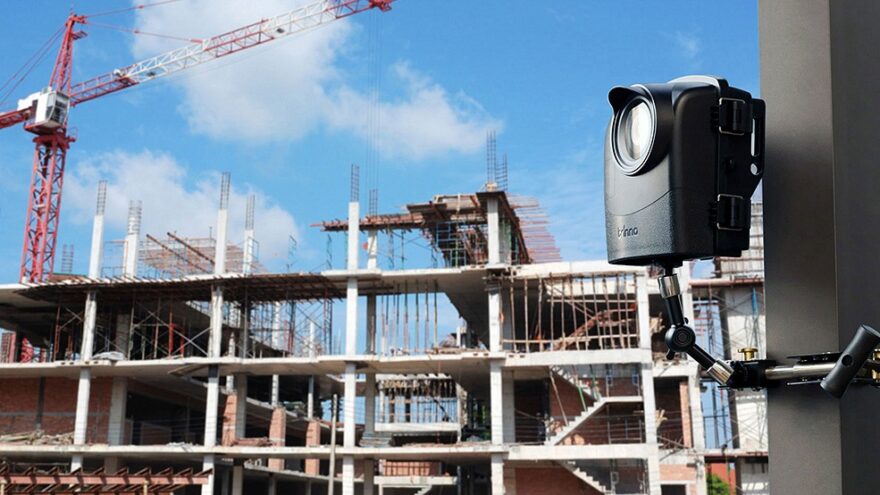
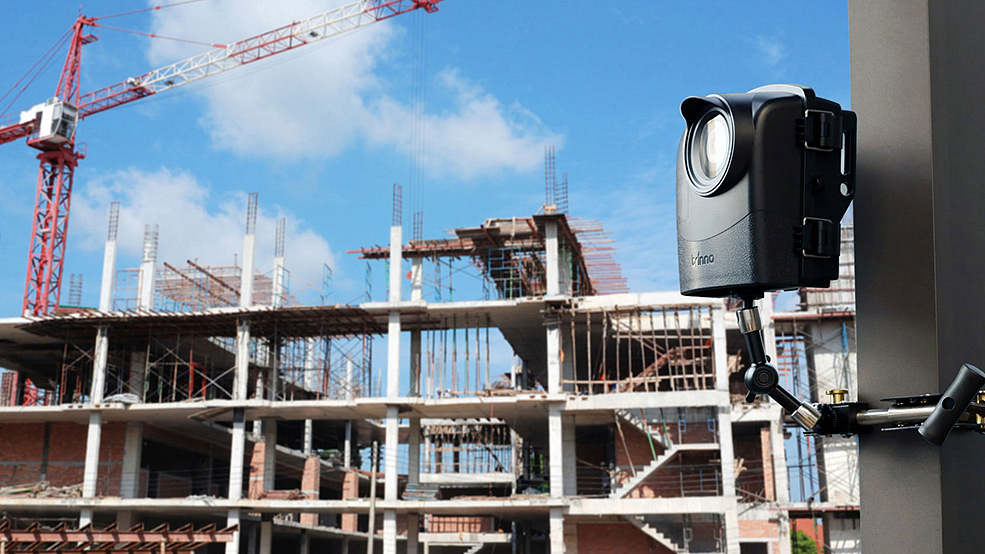
Time lapse cameras, drone flights, and regular photo points create a visual history that is hard to dispute. They also reveal sequence problems that written reports often miss, such as crews waiting on access or materials stacked in the wrong zone.
Field quantities add the numerical backbone. Track installed lengths, areas, weights, or unit counts against the planned quantities so progress is tied to real output.
Daily site logs capture context that images and quantities cannot. Weather delays, design clarifications, safety stoppages, and delivery disruptions should all be recorded the day they occur.
When these streams are linked to the schedule, progress becomes measurable instead of subjective. That is how teams spot slippage early and avoid the surprise of a lost month showing up at the end of the quarter.
Turn progress records into decisions and claims protection

Recording progress has value only if it drives action. Large projects should review progress at the same cadence it is captured, usually weekly, with a short meeting focused on variances and recovery steps.
If an activity is behind, the record should show why, not just that it is late. Root causes such as design changes, access conflicts, or labor shortages need to be tagged so the recovery plan is realistic.
Progress records also protect the project commercially. When a claim arises, time stamped photos, daily logs, and quantity tracking prove cause and impact far better than memory based arguments.
This is especially important for extensions of time and variations, where delays must be traced to specific events. A clean record creates confidence for the client and reduces disputes between contractors and subcontractors.
Finally, close the loop by storing records in an organized system. When documentation is searchable by date, location, and work package, it remains useful through commissioning, handover, and warranty periods.
Conclusion
Recording progress on large projects works best when it is built on a clear baseline, supported by multiple evidence sources, and reviewed fast enough to drive decisions. With consistent rules and disciplined capture, progress reporting becomes a steering wheel for the project, not a rear view mirror.