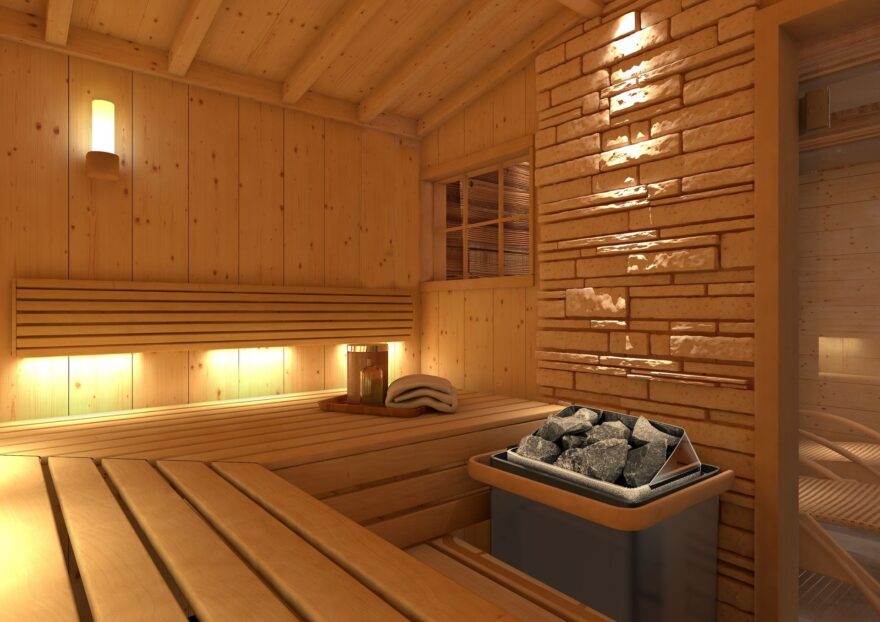

Choosing the right sauna heater is one of the most important decisions in building a sauna that feels comfortable, heats evenly, and runs efficiently. The best heater for your space depends on the sauna’s size, insulation quality, desired heat style, and how often you plan to use it. When you match the heater correctly, you get faster warm up times, steadier temperatures, and fewer performance problems over the long term.
Start with sizing, insulation, and heater type
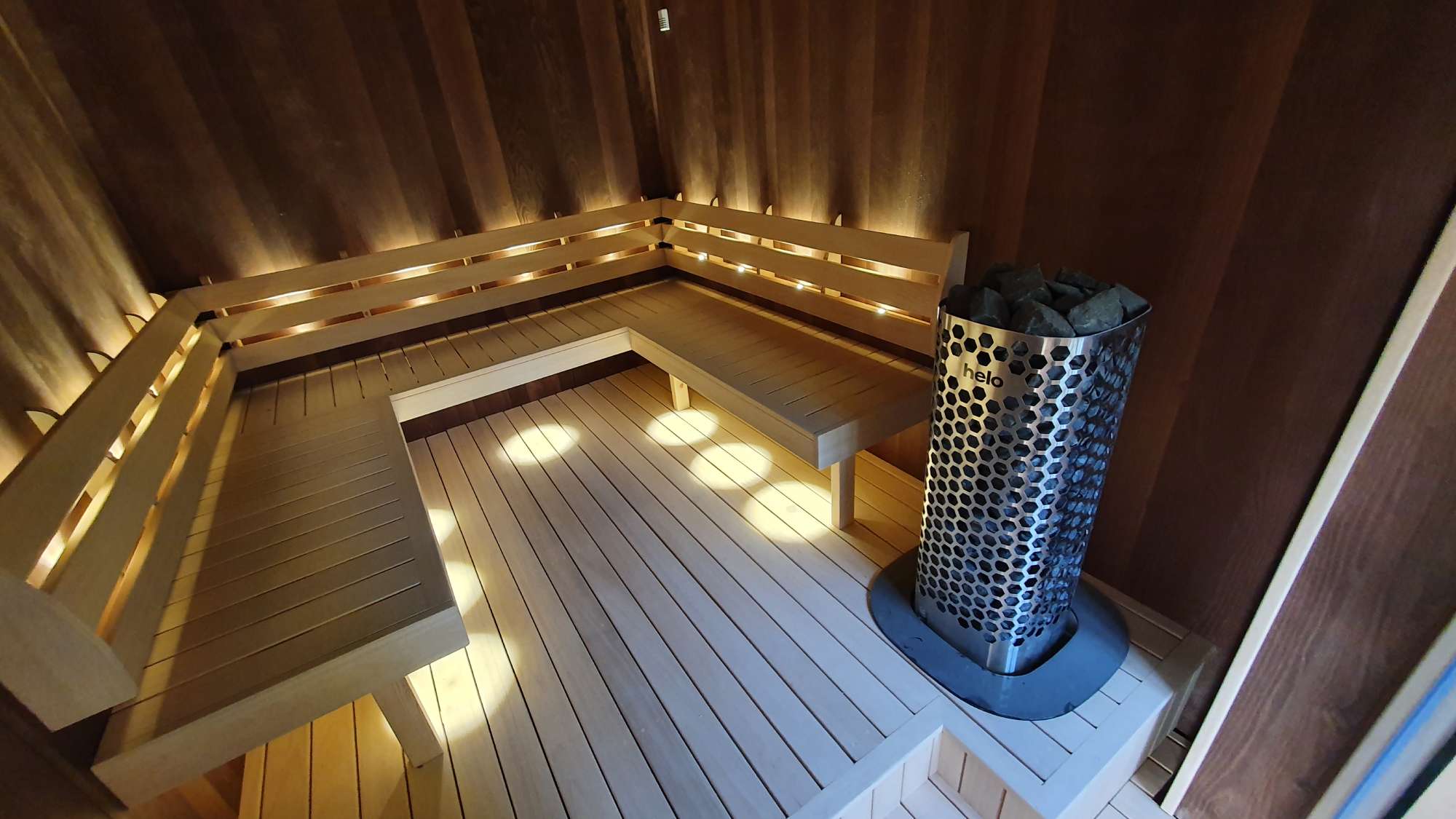
A dependable custom built sauna should begin with accurate room measurements and honest expectations about how the sauna will be used. Heater sizing is typically based on cubic metres or cubic feet, but real performance also depends on insulation, wall materials, glass area, and ventilation. More glass or uninsulated surfaces increase heat loss, which may require a higher output heater to maintain temperature.


Electric heaters are the most common choice for home saunas because they offer precise controls, predictable heat, and easy day to day operation. Wood fired heaters provide a traditional feel and strong radiant warmth, but they need safe clearances, ventilation, and a chimney.
Infrared systems heat differently by warming the body directly and running at lower air temperatures, which some users prefer, but they do not replicate the classic hot stone sauna environment. Your choice should match the experience you want, not just the price or power rating.
Heat delivery, stone capacity, and control features
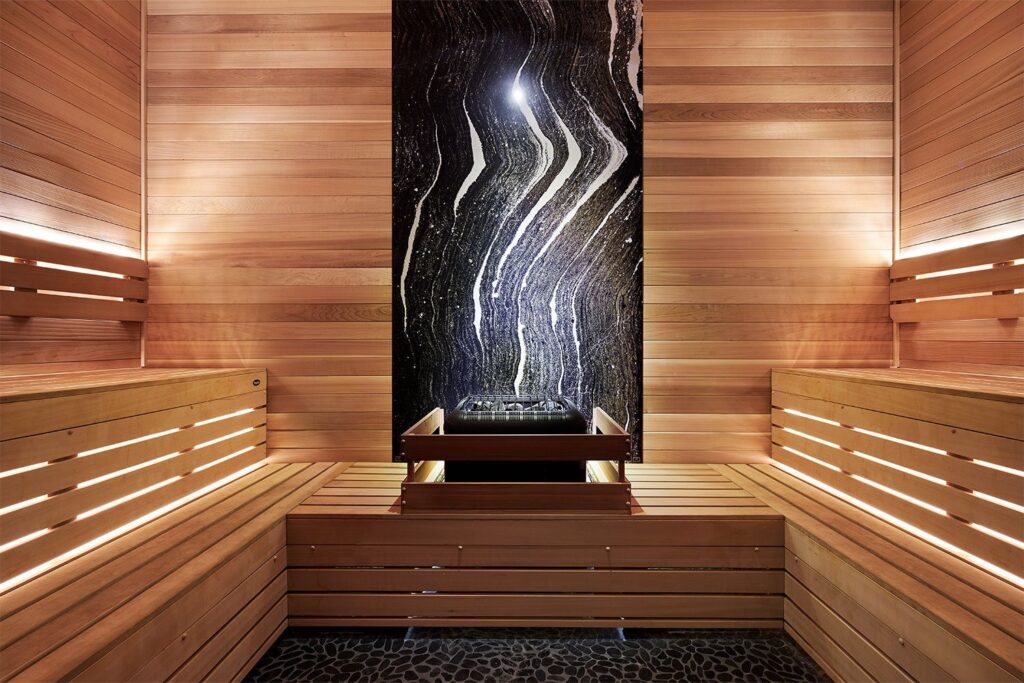
Heat delivery is affected by the heater’s design and how well it can hold and transfer heat. More stone capacity generally improves heat retention and steam when water is ladled, but it can also slow warm up if the heater is underpowered. Good airflow around the heater helps distribute heat and reduces hot and cold spots, especially in larger rooms.
Controls matter for both comfort and safety. Digital controllers let you set temperature and time precisely, while some systems include WiFi control for preheating.
Look for features like overheat protection, automatic shutoff, and reliable temperature sensors. In commercial or frequent use settings, durable components and strong heat recovery are important so the sauna returns to temperature quickly after the door opens.
Installation, ventilation, and long term maintenance
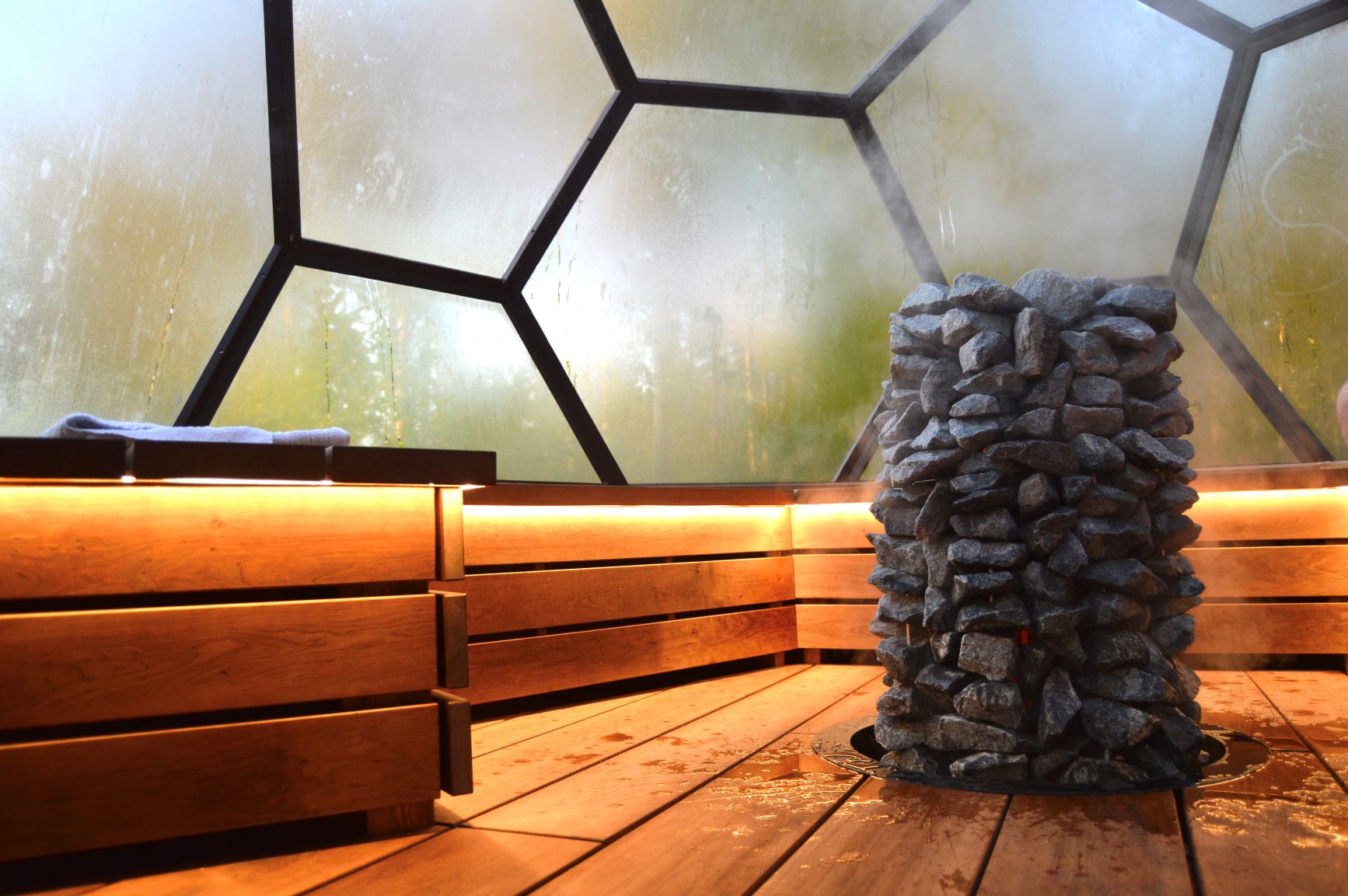
Correct installation ensures the heater runs safely and efficiently. For electric heaters, wiring must match the heater’s power requirements, and the controller should be placed where it reads temperature accurately.
For wood fired heaters, chimney layout, draft control, and fire safety clearances must be planned carefully. Vent placement influences air exchange and heat circulation, so a sauna feels fresh without losing too much heat.
Maintenance keeps performance consistent. Sauna stones should be checked and replaced when they crack or crumble, as damaged stones reduce airflow and can stress heating elements.
Keep the heater area clean, avoid overpacking stones, and inspect for signs of wear such as slow warm up or uneven heating. Simple routines reduce the risk of expensive repairs and help the heater deliver reliable heat for years.
Conclusion
The right sauna heater is the one that fits your sauna size, heat style preference, and build quality, while delivering safe, efficient performance. By sizing correctly, choosing the right heater type, and paying attention to controls, ventilation, and maintenance, you can create a sauna that heats evenly and stays dependable over the long term.