

Corporate investigations, often called internal reviews, are structured inquiries that a company carries out into a specific concern, such as a workplace complaint, an accounting irregularity, or a possible breach of policy or regulation. Each review is shaped by its facts, but most follow a recognizable sequence of planning, evidence gathering, analysis, and follow-up. This guide explains how that process generally works and which factors tend to shape it.
Table of Contents
What Is an Internal Review?

An internal review is an inquiry carried out by or for an organization to establish what happened in a particular situation. Companies may run reviews in-house through legal, compliance, human resources, or internal audit teams, or they may engage outside counsel or specialist firms. The purpose is generally to gather reliable facts, assess them against company policy and applicable law, and recommend next steps.


Reviews are commonly triggered by:
- A report received through an internal hotline or whistleblower channel
- A complaint raised by an employee, customer, or business partner
- An internal audit or control testing finding
- A request for information from a regulator or enforcement authority
- Public reporting or a concern raised by the media
Not every concern leads to a formal review. Organizations typically conduct a preliminary assessment first to decide whether the issue is credible and whether it warrants a full inquiry.
Stages of an Internal Review
Although the scope varies, internal reviews tend to move through the same broad phases. The table below summarizes them. Timing and sequencing depend on the circumstances, and some phases overlap.
Guidance on this process is available from standards bodies. The International Organization for Standardization has published ISO 37008, which provides guidance on the full cycle of an internal investigation, covering policies, implementation, reporting, and remedial measures. It sets out principles such as independence, confidentiality, objectivity, and legal compliance, which many organizations use as a reference point when designing their own procedures.
Planning the Scope and Team

Scope is one of the most important early decisions. A clearly written mandate usually identifies the questions to be answered, the time period under review, the business units involved, and the types of records to be examined. A narrow scope can keep costs proportionate, but it should still address the issues raised. If new facts emerge, the scope may need to be widened, and a good plan allows for that adjustment.
Choosing who leads the review is also a key decision. Some organizations assign the work to an internal team, while others use outside counsel or forensic specialists, particularly where the matter may involve regulators or litigation. Reviewers commonly consider independence, relevant expertise, and potential conflicts of interest before starting. For broader background, see resources on corporate oversight in the legal profession.
Collecting and Reviewing Records
Preserving relevant material early is generally considered sound practice, because electronic data can be altered or deleted through routine system processes. Reviewers often identify custodians, set date ranges, and apply search terms to narrow large volumes of email and files. Matters involving data held in several countries may bring data protection rules into play, which can affect how information is transferred and stored. Common steps include:
- Issuing written preservation notices to relevant staff
- Collecting devices and mailboxes in a way that maintains data integrity
- Logging each collection step so the process can be verified later
- Using technology-assisted review where datasets are large
Document review is often the most time-consuming phase of an investigation, so reviewers typically set priorities and focus first on the records most closely tied to the questions in the mandate.
Key Records Checklist
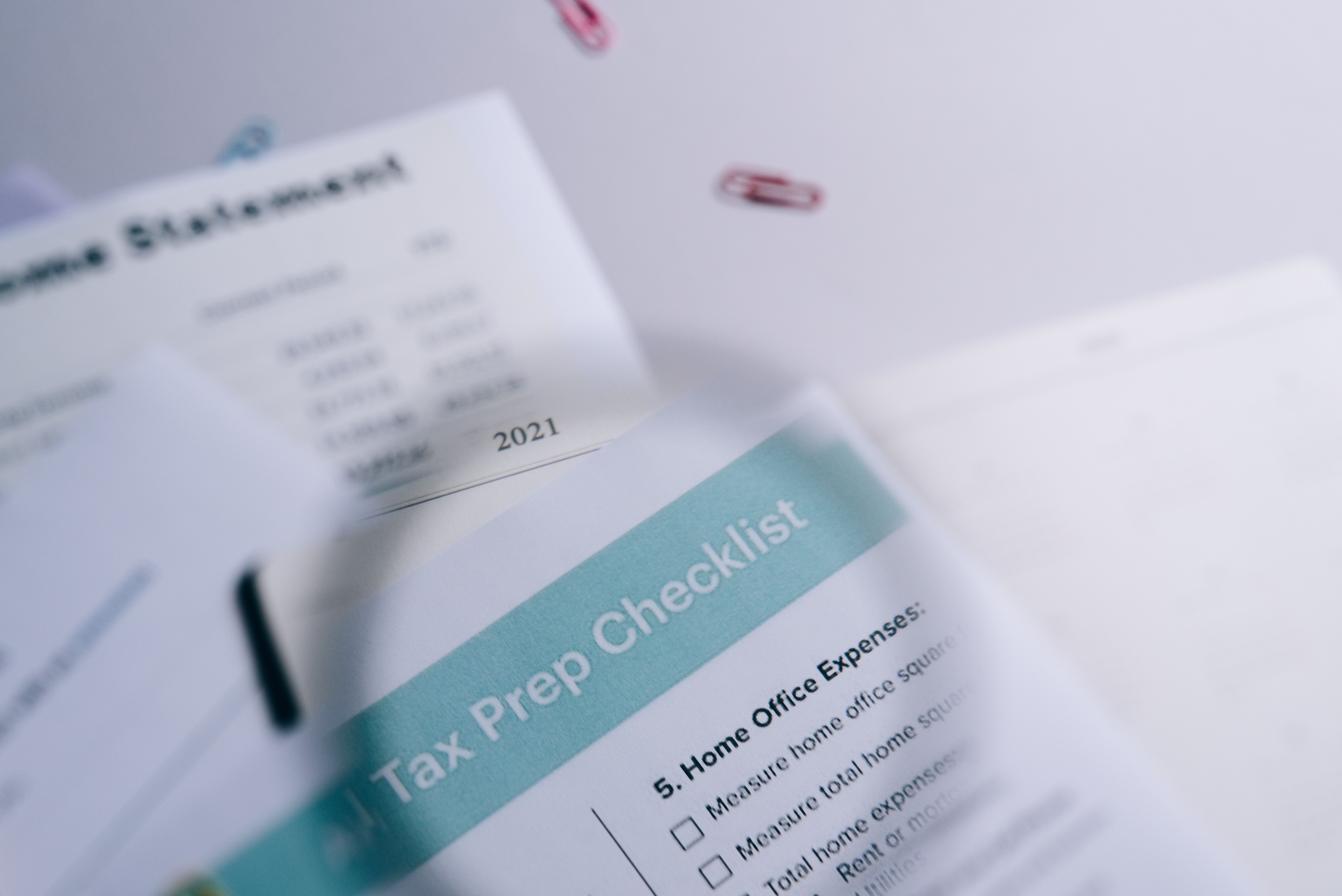
The checklist below highlights records that reviewers commonly examine when a concern involves financial or operational processes. The exact list depends on the issue and on the policies that apply:
- General ledger entries and journal adjustments
- Invoices, purchase orders, and approval records
- Expense reports and reimbursement logs
- Contracts and amendments tied to the transactions under review
- Bank statements and payment records
- Internal communications, including email and messaging tools
Reviewers usually compare these records against one another to build a timeline. Where records conflict, the review typically looks for corroboration from a second source before drawing a conclusion.
Witness Interviews and Credibility
Interviews often happen in two stages. Early scoping interviews help establish basic facts and identify who holds relevant knowledge. Substantive interviews usually follow the document review, when interviewers can ask more specific questions based on the record.
At the start of an interview, interviewers commonly explain the purpose of the discussion, the confidentiality expectations, and the company’s policy against retaliation. Notes are often taken by a second person, and interviewees may be asked to review a written summary. Reviewers generally assess credibility by looking at consistency with the documents, corroboration from other sources, and the plausibility of the account. Because credibility assessments involve judgment, reviewers usually record the reasoning behind them.
Writing the Findings Report

The format of the findings depends on the audience and on whether legal proceedings are anticipated. Some reviews end with an oral briefing or an executive summary, while others require a detailed written report. A typical written report may include:
- The scope and methodology of the review
- A factual background and chronology of events
- Findings, clearly separating established facts from unresolved questions
- The policies or legal standards that apply
- Recommendations for the organization
Because sharing findings with third parties can affect legal privilege, distribution is usually planned carefully and recorded in a confidential investigation file.
Remediation and Follow-Up
An investigation’s conclusions often lead to remediation. This may involve revising controls, updating policies, delivering targeted training, or adjusting processes that contributed to the issue. Personnel measures, where relevant, are generally handled under the organization’s employment procedures and applicable law.
Some matters also raise questions about reporting to authorities. In the United States, the Justice Manual’s section on principles of federal prosecution of business organizations describes how the Department of Justice encourages companies, as part of their compliance programs, to conduct internal investigations and to self-disclose discovered misconduct. Whether any disclosure is appropriate depends on the facts, the jurisdiction, and any existing obligations, so organizations typically seek legal advice on that question.
Frequently Asked Questions
Is an internal review the same as a legal case?
No. An internal review is generally a company process used to establish facts and guide decisions. It can run alongside legal proceedings or lead to them, but its findings do not by themselves determine legal liability.
How long does an internal review take?
There is no fixed timeline. Duration depends on the scope, the volume of data, the number of interviews, and how quickly records can be collected. Reviews of narrow issues may be completed in weeks, while complex matters can take considerably longer.
Are employees required to take part?
Employment contracts and company policies often include a duty to cooperate with internal reviews. The specific obligations depend on the jurisdiction, the terms of employment, and applicable labor and data protection laws.
A well-structured internal review gives an organization a documented, fact-based answer to a specific question, along with a clearer view of where its processes can improve. The quality of that answer usually depends on the discipline applied at the start: a defined scope, careful preservation of records, and an analysis that separates what is known from what remains open.