

Containment projects rely on carefully installed barriers to prevent liquids, waste, or contaminated materials from reaching the surrounding environment. Even when the design and specified materials are suitable, poor installation can weaken the entire system. Construction Quality Assurance provides independent observation, testing, and documentation throughout construction, helping teams identify defects before a facility begins operating.
Detecting Installation Problems at an Early Stage

Many containment failures begin with relatively small installation errors. A geomembrane may be damaged during deployment, placed over an unsuitable surface, or welded under unfavorable weather conditions. If these issues remain unnoticed, they can develop into leaks that are expensive and difficult to locate after the system is covered.


CQA personnel monitor important activities as they occur. They may inspect the prepared subgrade, confirm that geosynthetic rolls are stored correctly, observe panel deployment, record weather conditions, and check that installation methods follow the approved project documents. Their presence creates an opportunity to correct problems while the affected area is still accessible.
Early detection can prevent damaged materials from being incorporated into finished work. It also reduces the likelihood of removing protective layers, drainage materials, or waste later to reach a defective section. The cost of immediate repair is usually far lower than the cost of investigating and correcting a leak after construction.
Verifying Seams, Materials, and Completed Work
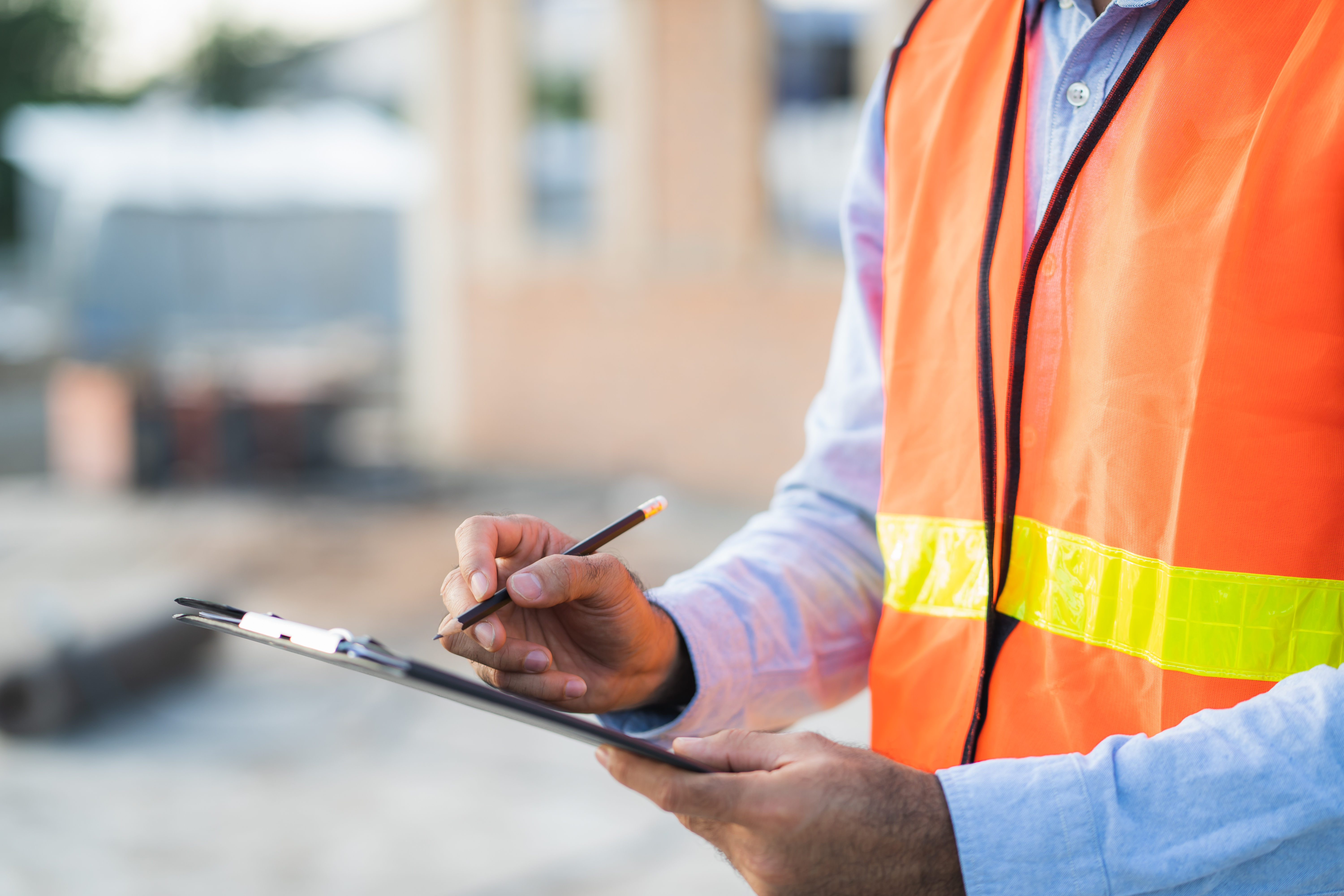
Geomembrane seams are among the most critical parts of a containment system. CQA programs commonly include observation of trial welds, review of equipment settings, nondestructive seam testing, and destructive testing of selected samples. These procedures help determine whether seams are continuous and have sufficient peel and shear strength.
CQA teams also verify that delivered materials match approved specifications. Roll numbers, manufacturer certificates, panel locations, and laboratory results can be reviewed and recorded. This traceability helps prevent unapproved or incorrectly identified products from being installed.
Owners, engineers, and contractors can read more about CQA to understand how inspection frequency, testing requirements, acceptance criteria, and reporting procedures should be adapted to a project’s design and risk level.
Final surveys and visual inspections may also confirm that repairs are complete, penetrations are properly sealed, and the installed system matches approved drawings. These checks provide measurable evidence that the work satisfies project requirements rather than relying only on verbal confirmation.
Reducing Financial, Environmental, and Regulatory Risk
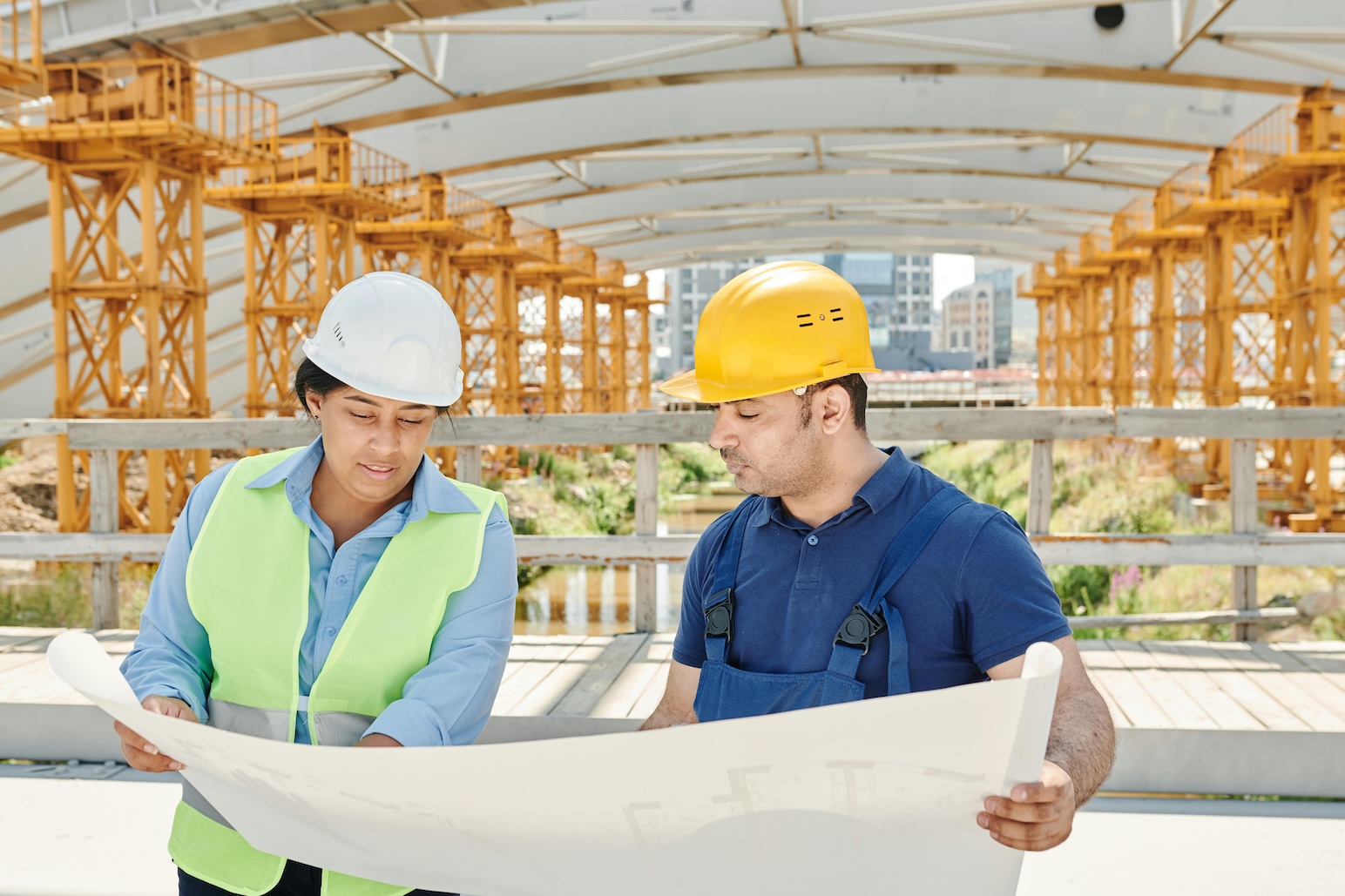
A failed containment system can create several types of costs. Direct expenses may include leak investigation, excavation, material replacement, construction delays, and additional testing. Indirect consequences can involve operational interruptions, environmental remediation, regulatory penalties, legal claims, and reputational damage.
Construction Quality Assurance reduces these risks by establishing a structured process for identifying, recording, and resolving nonconforming work. When a defect is discovered, the responsible parties can agree on corrective action and document the repair before the work proceeds. This prevents uncertainty about whether a problem was addressed properly.
Detailed CQA records are also valuable after construction. Daily reports, photographs, test results, repair logs, and record drawings create a history of the installation. If questions arise during operation, project owners can use this information to understand how specific areas were constructed and tested.
Conclusion
Construction Quality Assurance protects containment projects by turning design requirements into verified field practices. Through independent observation, material verification, seam testing, repair documentation, and final reporting, CQA helps detect weaknesses before they cause serious damage.
Although quality assurance adds an upfront project cost, it can prevent much larger expenses associated with leaks, delays, remediation, and regulatory action. A well-planned CQA program therefore supports reliable performance, provides confidence in the completed system, and protects both the project owner and the surrounding environment.