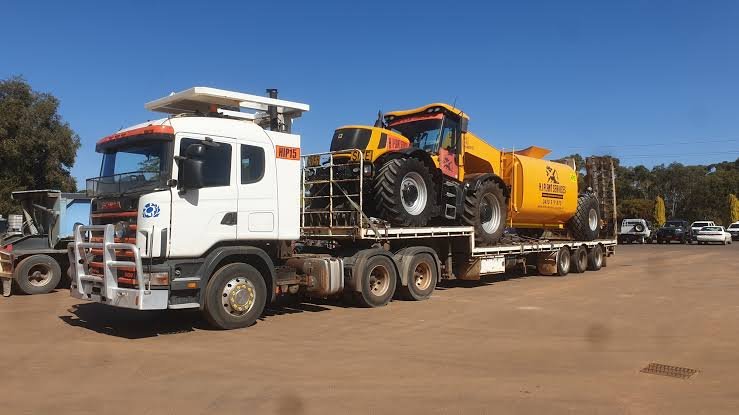

Construction and logistics projects depend on materials, machinery, and specialised equipment arriving at the correct location when needed. Delayed or unsuitable transport can leave workers waiting, interrupt scheduled activities, and create additional costs across the project.
Transport and equipment hire services help businesses coordinate freight movement, lifting, loading, site access, and urgent deliveries. Using one provider for several related requirements can simplify communication and reduce the number of contractors that project managers need to organise.


Moving Freight and Machinery Between Project Sites
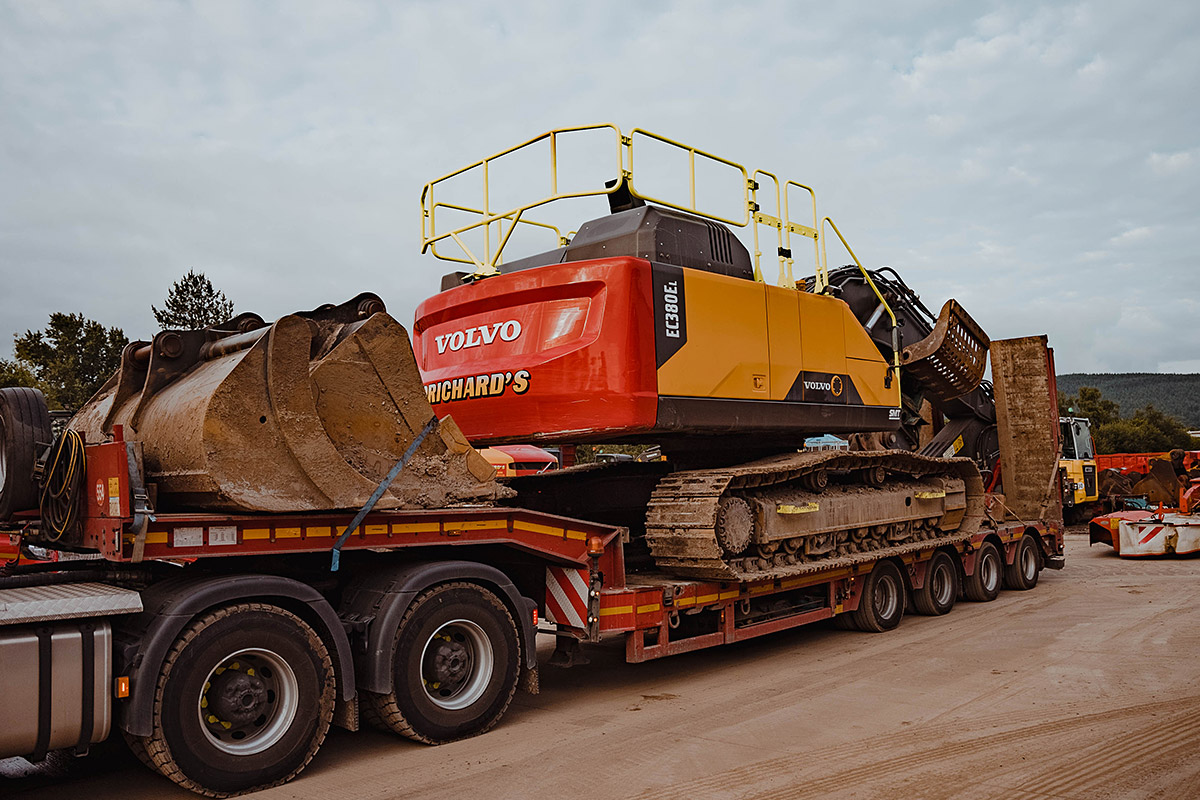
Construction freight can include building materials, structural components, containers, tools, vehicles, and heavy machinery. Each load must be assessed according to its dimensions, weight, value, handling requirements, and delivery location.
The selected truck and trailer must have sufficient capacity and suit the conditions at both sites. Oversized or unusually heavy loads may require specialised trailers, lifting equipment, permits, route surveys, escorts, or additional traffic controls.
For all large freight transportation and super-fast hotshot courier deliveries across Australia, visit www.transportandhiresolutions.com.au to learn insights into one of the longest-serving and highly reputable companies. Discussing the complete load with a transport specialist can help identify potential problems before dispatch.
Accurate information is essential when requesting a quote. Businesses should provide packaged dimensions, total weight, collection and delivery addresses, preferred timing, site contacts, and details of available loading equipment.
Providing Equipment When and Where It Is Needed
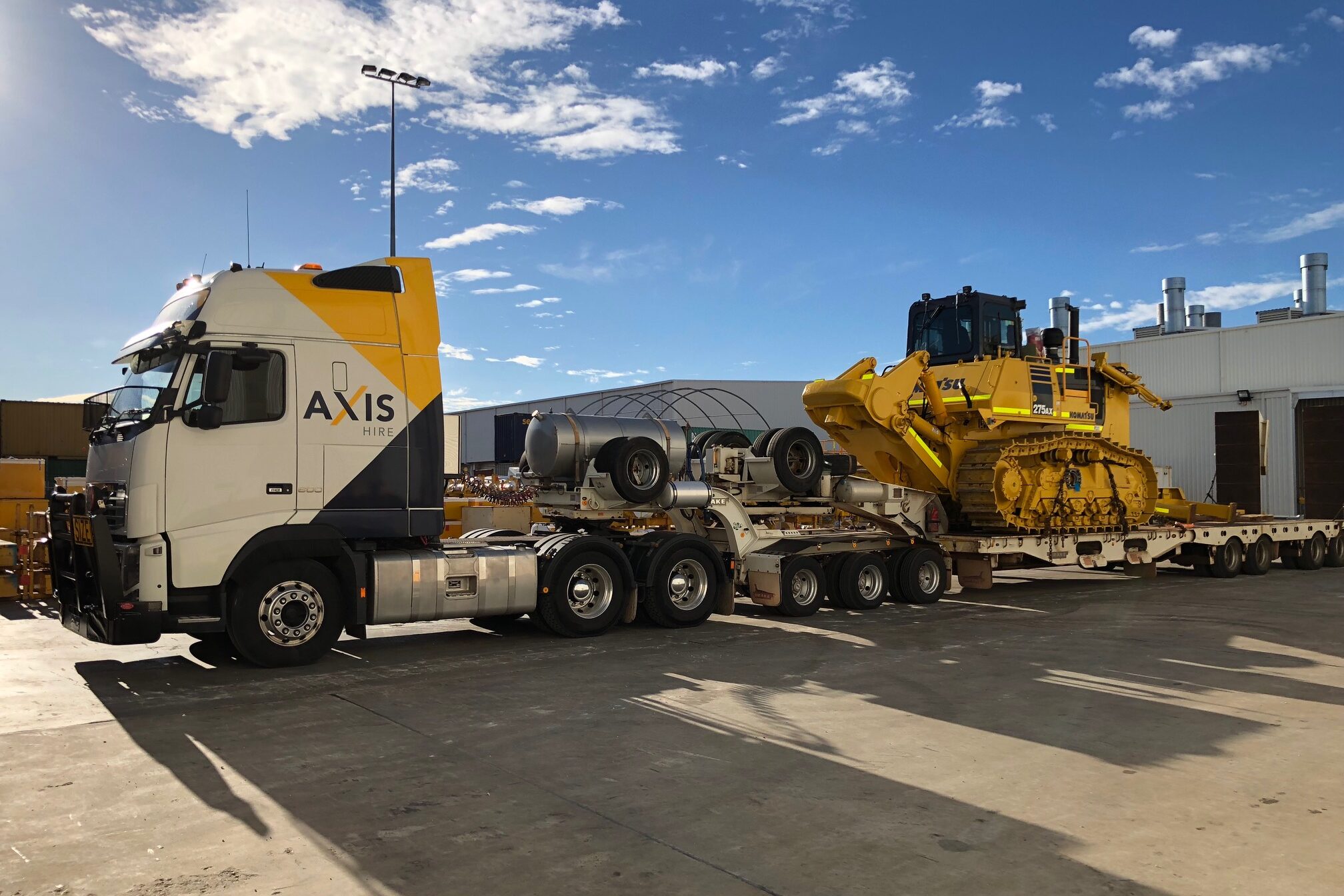
Hiring equipment can be more practical than purchasing machinery required only for a particular project stage. It removes the need for long-term storage and can reduce responsibility for ownership costs associated with underused assets.
Depending on the provider, available equipment may support loading, unloading, lifting, access, earthmoving, material handling, and temporary site operations. The selected machine must have the correct rated capacity and be suitable for the ground and working environment.
Before confirming a hire, project teams should check delivery fees, minimum rental periods, operating-hour limits, fuel requirements, insurance, maintenance responsibilities, and charges for damage or late return.
Equipment condition should be documented when it arrives. Operators should complete relevant checks and report defects before use. Only trained and appropriately authorised personnel should operate specialised machinery.
Coordinating Urgent and Complex Deliveries
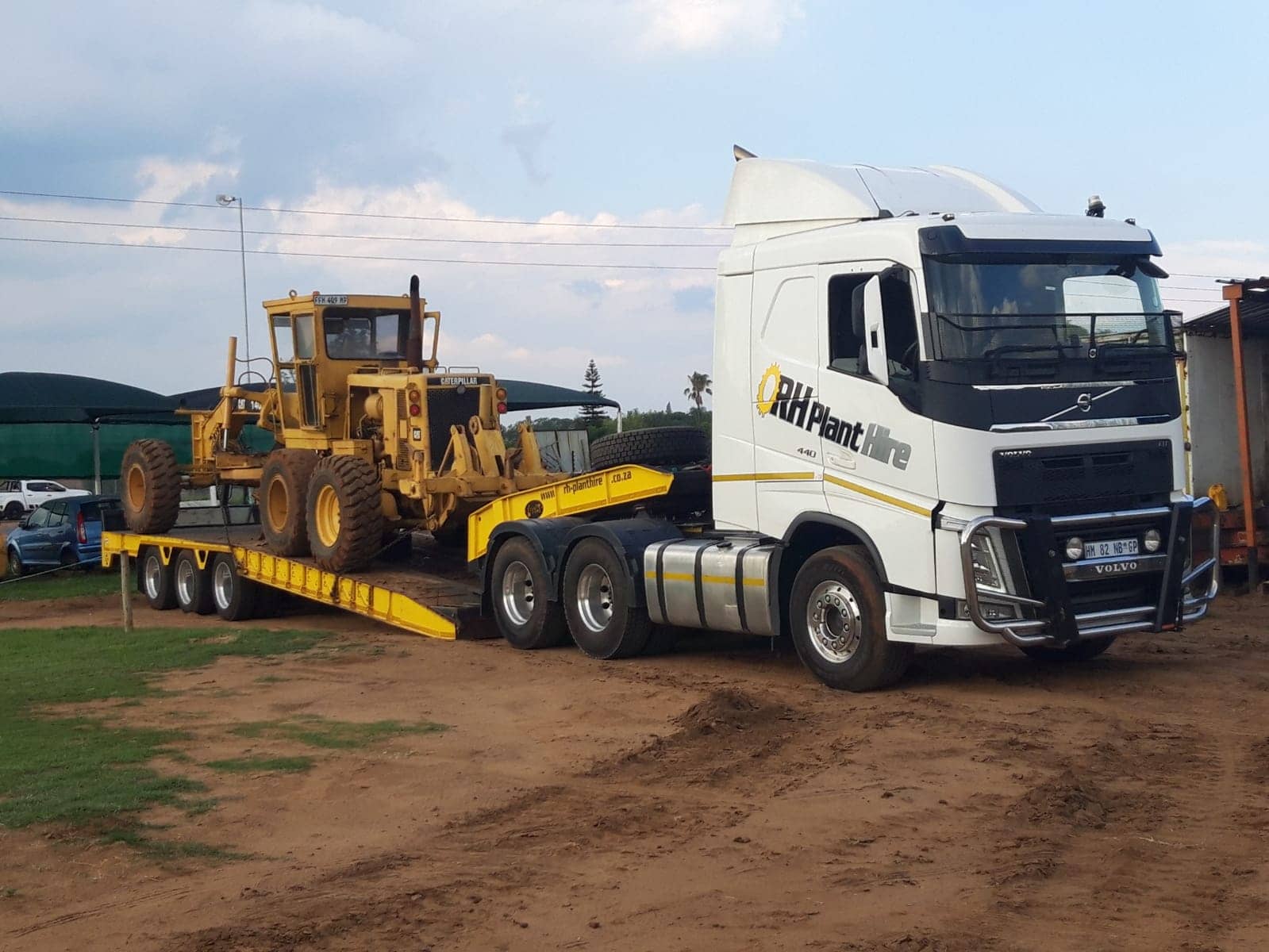
Hotshot courier services can transport urgent components, replacement parts, tools, and other time-critical freight directly to a project site. This can reduce downtime when standard delivery schedules are too slow for an unexpected requirement.
Complex deliveries may involve restricted access, booked unloading windows, multiple destinations, lifting equipment, or coordination with site supervisors. Everyone should understand who is responsible for loading, restraint, unloading, and acceptance of the freight.
Construction sites can change rapidly, so access conditions should be confirmed shortly before delivery. Soft ground, temporary barriers, overhead services, narrow entrances, and active machinery can affect whether a vehicle can reach the planned unloading point.
Tracking and delivery updates allow managers to adjust labour and equipment schedules. Proof of delivery provides a record of arrival time, recipient details, and any damage or access issue observed at the destination.
Clear communication is particularly important when delays occur. Early notification gives the project team time to reorganise dependent activities and limit disruption.
Conclusion
Transport and equipment hire services support construction and logistics projects by moving freight, supplying specialised machinery, and responding to urgent delivery requirements. Their value comes from combining suitable resources with careful coordination.
Providing accurate load details and preparing sites in advance helps reduce safety risks, waiting time, and unexpected costs. With reliable transport and hire support, project teams can maintain productivity and keep demanding schedules moving.