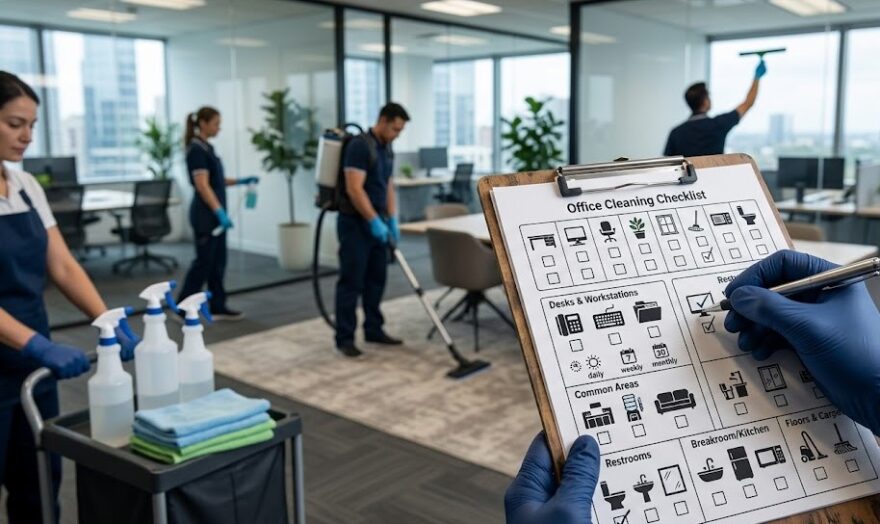

A clean office supports employee wellbeing, improves productivity and creates a positive impression on clients and visitors. However, maintaining consistent standards requires more than occasional vacuuming or emptying bins. A structured office cleaning checklist helps ensure that frequently used surfaces, shared facilities and less visible areas receive appropriate attention throughout the week.
Daily Cleaning Tasks for High-Traffic Areas
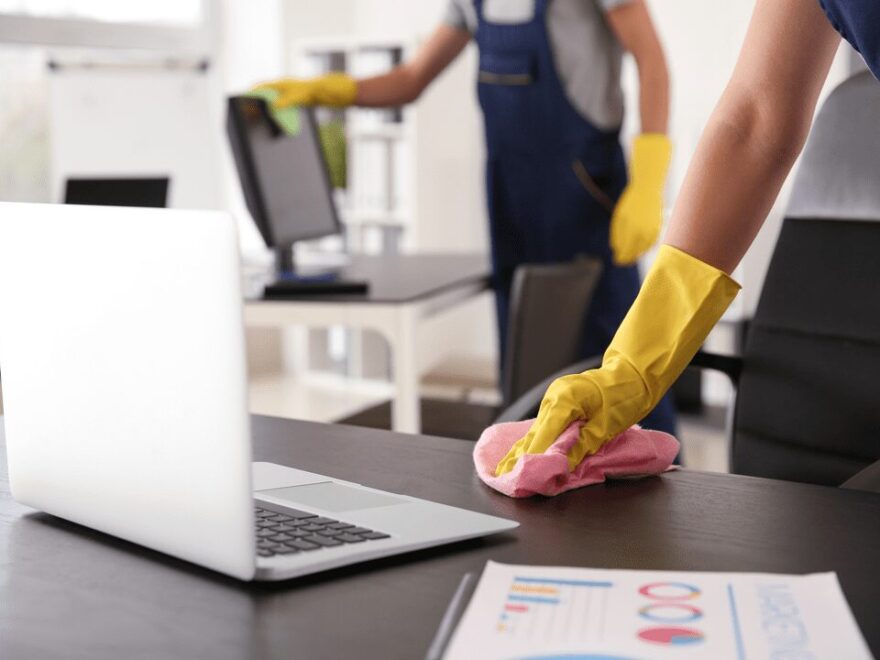
Daily cleaning should focus on the parts of the workplace that are used most frequently. Businesses searching for a local office cleaning Toowoomba provider can explore here. A professional cleaning company can create a schedule based on employee numbers, operating hours and the layout of the premises.


Reception areas should be kept tidy because they shape a visitor’s first impression. Floors should be vacuumed or mopped, entrance glass cleaned and reception desks wiped down. Frequently touched surfaces such as door handles, light switches, lift buttons and shared equipment should also be disinfected regularly.
Waste bins should be emptied before they overflow, and liners should be replaced when necessary. Desks may be cleaned according to company policy, particularly when employees use shared workstations. Phones, keyboards and computer accessories should be treated carefully with suitable products to avoid damaging electronic equipment.
Kitchen, Bathroom and Shared-Space Checklist
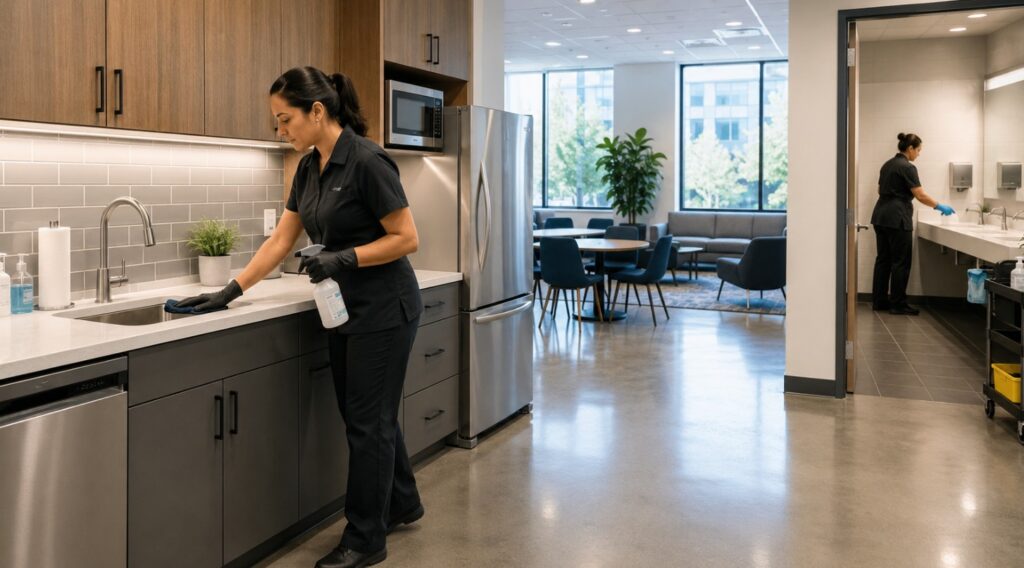
Shared kitchens and bathrooms require consistent attention because they can quickly become unhygienic. Kitchen benches, tables, sinks and appliance handles should be wiped and sanitised each day. Microwaves and refrigerators should be checked for spills, while expired food should be removed according to workplace procedures.
Dishes should not be allowed to accumulate in sinks, and floors should be cleaned to remove crumbs, liquid and other debris. Soap, paper towels and other essential supplies should be replenished before they run out.
Bathrooms should be cleaned and disinfected thoroughly. Toilets, urinals, basins, taps, mirrors and door handles all require regular attention. Floors should be mopped with an appropriate cleaning solution, and sanitary bins should be serviced as required. In busy workplaces, bathrooms may need to be checked more than once during the day.
Meeting rooms, breakout areas and shared lounges should also be included in the daily checklist. Tables should be wiped, chairs arranged and cups or waste removed after use. These areas should remain ready for employees, guests and unexpected meetings.
Weekly and Periodic Deep-Cleaning Tasks
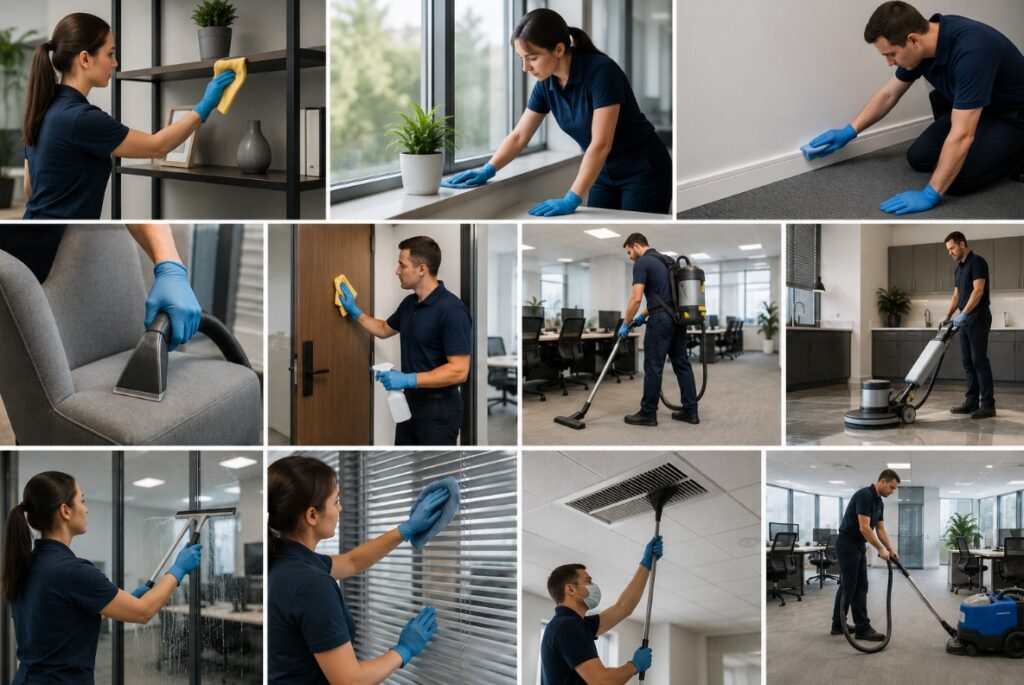
Some office cleaning tasks do not need to be completed every day but should still follow a regular schedule. Weekly duties may include dusting shelves, window ledges, skirting boards and decorative items. Upholstered furniture should be vacuumed, and marks on doors, walls or partitions should be removed where possible.
Carpets may require detailed vacuuming around corners, beneath furniture and along edges that are missed during routine cleaning. Hard floors may need machine scrubbing or polishing, depending on the surface and level of foot traffic. Internal windows, glass partitions and blinds should also be cleaned periodically.
Deep cleaning can be arranged monthly, quarterly or several times per year. This may include professional carpet extraction, upholstery cleaning, high-level dusting, air vent cleaning and treatment of difficult-to-reach areas. Businesses should also schedule additional cleaning after renovations, workplace events or periods of increased illness.
Conclusion
An effective office cleaning checklist should combine daily hygiene tasks with weekly maintenance and periodic deep cleaning. High-touch surfaces, bathrooms, kitchens and shared spaces need the most frequent attention, while carpets, windows and hidden areas require planned servicing. By following a clear schedule, businesses can create a healthier workplace, protect their professional image and reduce the risk of important cleaning tasks being overlooked.